Cambodia Releases Ghanaian Man Held in Scam Complex for 11 Months
The 33-year-old received a flight home on Oct. 14 after police raids left thousands of workers stranded in Phnom Penh.
By Diego Mendoza ·
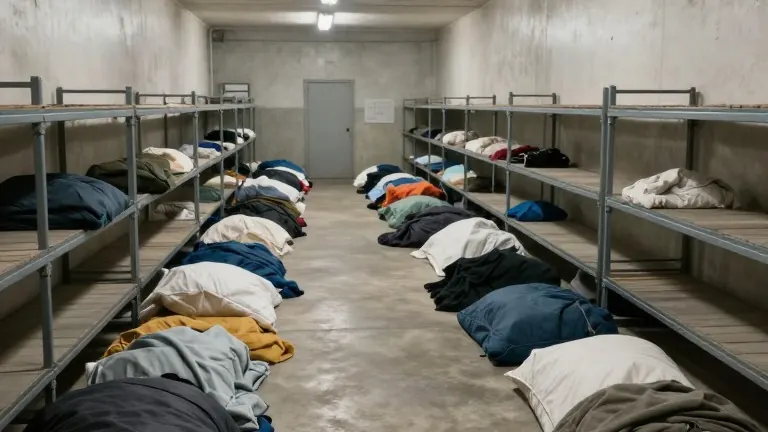
A 33-year-old man from Ghana boarded a flight to Accra on Oct. 14, ending an 11-month ordeal in Cambodia. He arrived in the country in November 2025 for a job that promised $1,000 a month but turned into a role in an online scam network. The man, who spoke on condition of anonymity, endured daily beatings and confinement for a month before police raided the facility in January. He now faces the cost of returning to his family in a rural area far from the capital.
The man is one of thousands of workers displaced by a crackdown on scam compounds. He was recruited through an acquaintance who described a position as an English-speaking receptionist with IT skills. He received a visa and a paid flight. Upon arrival, he was driven hours from the airport to a fortified complex where staff seized his passport and cellphone. He signed a two-year contract after men threatened him, despite an initial agreement for one year.
Training began immediately. Workers, known as chatters, learned to send mass messages to potential victims. The goal was to lure people into conversations where supervisors would manipulate them into sending money. The man realized the operation was a scam and refused to work. He lacked the $6,000 repayment fee required to leave, so he stayed. He said beatings with fists and a bat began, along with shocks from tasers. He broke his wrist during the abuse and still struggles to grip with his left hand.
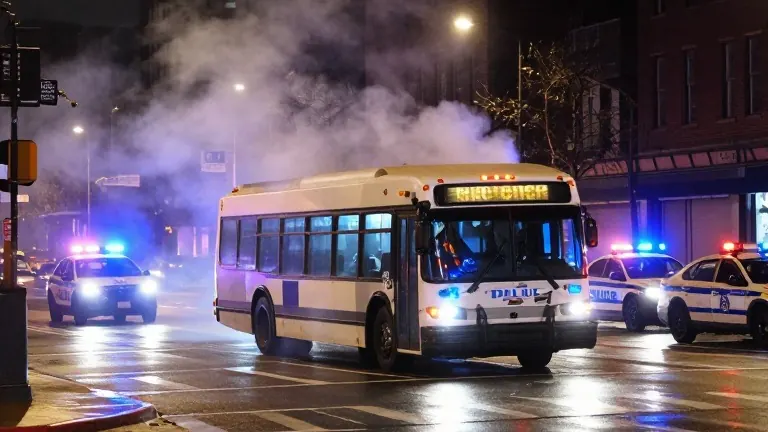
Cambodian authorities expanded their campaign in late 2025 following the death of a South Korean student and a U.S. indictment of a Chinese-born conglomerate founder. The government announced in September that it had dismantled all large compounds. It also seized assets worth $1 billion from one network last month and asked Interpol to track 29 ringleaders. Officials said they were prosecuting court cases linked to the operations.
The release of workers created a housing crisis in Phnom Penh. Many slept in the streets because the government banned shelters from providing them housing. Li Ling of the Eos Collective, a nonprofit that has helped 220 workers return home, said the government treats migrants as offenders. She noted a lack of evidence for screening victims of human trafficking.
The Ghanaian man slept on the street for months. He was later detained at a police station and then held for two weeks at a detention center called Mango 2. He was removed from the center in handcuffs on Oct. 14 and taken to the airport. The Eos Collective provided his ticket home. He is back in Ghana but cannot afford the travel costs to reach his family's home.
Other workers faced similar delays. Henry Kyeyune, from Uganda, slept outside a Caritas shelter for a week before police detained him. He was held for two weeks at a police station and another week at Mango 2 before his ambassador helped him fly home. Uganda's ambassador to Malaysia said she has helped more than 1,000 former workers navigate the exit process. China repatriated more than 20,000 workers in June, and Vietnam's border provinces received 1,700 ex-workers in the first half of 2026.
Cambodia's Information Minister Neth Pheaktra did not respond to recent questions about the treatment of workers. In earlier comments, he said the country rejects claims of failing victims. He stated that all individuals are screened to separate victims from perpetrators, with victims receiving protection and shelter. The man in Ghana wrote in a text message that he is still not with his family and still not safe.