Council committee advances construction aid fund
New ordinances would codify the Business Impact Opportunity Program and mandate annual funding for small businesses affected by city projects.
By Martin Reynolds ·
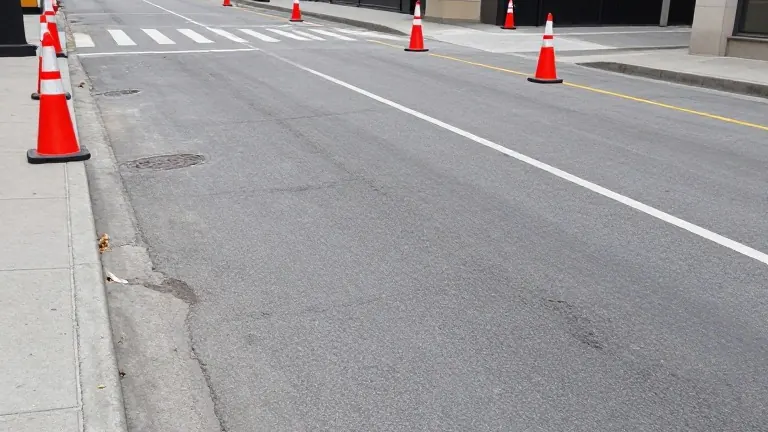
A Denver City Council committee voted to advance two ordinances on Tuesday that would establish a permanent financial safety net for small businesses impacted by local construction.
The Finance and Business Committee approved the measures, which create the Business Impact Opportunity Program and a dedicated special revenue fund for it.
The program, known as the BIO Fund, currently operates within the city's executive branch, but sponsors want the requirements written into city code to ensure consistent support.
The first key point involves the mandatory funding mechanism that the new rules would impose on city construction projects.
Under the proposed ordinance, projects with budgets between $10 million and $25 million that last more than 12 months must set aside at least 1% of their cost.
Larger projects valued at $25 million or more and lasting longer than 18 months would be required to allocate between 1% and 5% of their budget to the fund.
Projects under $10 million would not be covered by the new set-aside requirements.
The second key point addresses who qualifies for the grants and technical assistance provided by the program.
To receive aid, a business must be located directly within the area of a city-funded project and be registered, licensed, and in good standing in Denver.
Businesses with annual gross revenue of $100,000 or less can receive grants of up to 10% of that revenue, while those with higher revenue can receive at least $15,000.
The third key point concerns the administrative structure and reporting requirements for the new special revenue fund.
The fund allows unspent money to roll over from year to year rather than returning to the general fund, and administrative costs are capped at 7% of the appropriation starting in 2028 the department must report annually to the mayor, council, and auditor on how the money was spent. The program is scheduled to take effect on Jan. 1, 2027, if the full council approves the measures. The ordinance was sponsored by Councilmembers Amanda Sawyer, Chris Hinds and Flor Alvidrez. Hinds, who chairs the committee, said the city reviewed sales tax data from the Colfax, Bluebird and Mayfair business improvement districts along East Colfax and found collections dropped after bus rapid transit construction began. Adeeb Khan, executive director of Denver Economic Development & Opportunity, said his department supported 100 businesses last year and 88 so far this year. He noted that the new wording would allow broader eligibility but acknowledged the program cannot save every business. John Feld of The Fax Partnership told the committee that a city study showed 95% of businesses that received grants stayed open. Feld urged the committee to create a second window for eligibility, noting that many East Colfax businesses lost their qualification before construction hurt them most. Helen Teckle of the East Colfax Community Collective said two business owners she works with were denied in the last round because they did not meet minimum revenue requirements. A sponsor noted that the city should not bear sole responsibility for businesses affected by state or federal road projects such as Central 70, Federal Boulevard and Colorado Boulevard, but the fund could accept money from other governments through intergovernmental agreements.
More Politics · Denver news · Report a business · Got a Story?