
CSU Scientists Engineer Crops For Drought
Researchers at Colorado State University are studying plant genetics to create varieties that require less water and fertilizer for high desert agriculture.
By Martin Reynolds ·
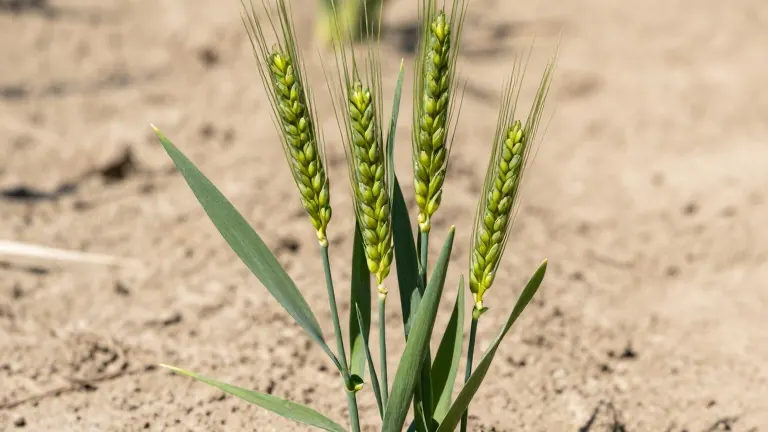
Fort Collins, Colo. Researchers at Colorado State University are developing new methods to help crops survive with less water and nitrogen. The work addresses the growing pressures facing farmers in the state due to persistent drought conditions and rising input costs.
Arjun Khakhar, a professor at Colorado State University, leads a team using synthetic biology to study plant structure. The goal is to re-engineer how plants grow to improve their efficiency in using limited resources.
The research examines both the shoot system above ground and the root system below. The shoot captures sunlight to produce energy, while the roots absorb water and nutrients from the soil. Khakhar explained that controlling the size and shape of these parts determines how much surface area is available for light capture and nutrient uptake.
By identifying the genes that control these physical structures, scientists hope to develop crops that maximize yield with minimal inputs. This approach aims to make plants more resource-use efficient without relying solely on increased watering or fertilization.
Local farmers are already feeling the impact of changing weather patterns. Dave Petrocco, a third-generation farmer in Colorado's high desert, noted that drought has reduced the amount of land his family can plant.
Petrocco stated that his operation has had to operate with caution due to water shortages. He identified early frosts, summer drought, hail, and strong winds as key challenges for high desert agriculture.
The CSU project is currently in its early stages. Scientists are working to understand how plant architecture affects resource usage. The findings could eventually lead to crop varieties better suited to unpredictable weather and limited water supplies.