UN Security Council Races to Select Next Secretary General
With incumbent Antonio Guterres set to step down by year's end, the UN Security Council is conducting confidential votes to identify a successor from a field of eight candidates.
By News Media House Staff ·
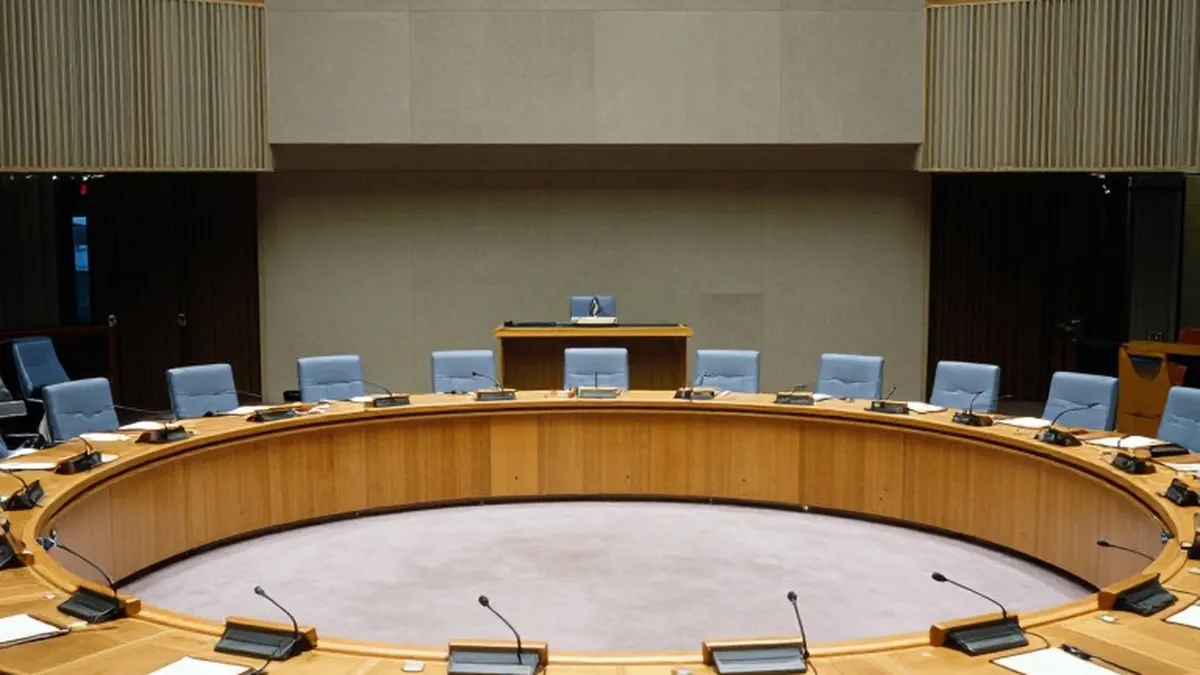
The United Nations is currently navigating a complex and high-stakes process to select its next secretary general. With incumbent Antonio Guterres scheduled to leave office by December 31, the UN Security Council is holding a series of informal straw polls to identify a suitable replacement. This procedure, which has historically been characterized by secrecy and backroom negotiations, is now approaching a critical deadline as the international body seeks to maintain stability in its leadership.
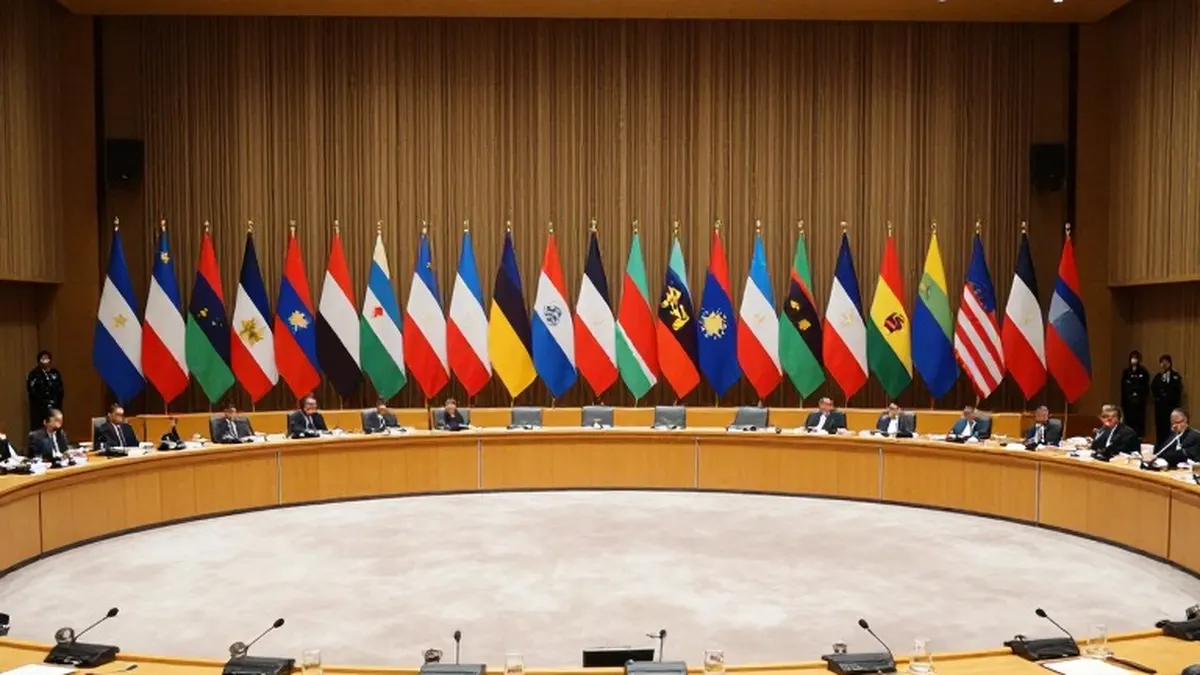
The selection process is governed by Article 97 of the UN Charter, which dictates that the Security Council recommends a candidate to the General Assembly. While the General Assembly holds the final vote, it has never rejected a candidate chosen by the Council. In practice, the five permanent members of the Council, China, France, Russia, the United Kingdom, and the United States, hold veto power. This means the final choice effectively rests with these nations, provided they can secure the support of the ten nonpermanent members.
Eight candidates are currently in the race, a number that has shrunk as some contenders dropped out earlier in the year. Among the most prominent are Rebeca Grynspan of Costa Rica, who leads the UN Conference on Trade and Development, and Rafael Grossi of Argentina, the head of the International Atomic Energy Agency. Other contenders include Lana Nusseibeh from the United Arab Emirates, Maria Fernanda Espinosa Garces from Ecuador, Feridun Hadi Sinirlioglu from Turkiye, Carolyn Rodrigues Birkett from Guyana, Ivonne A-Baki from Ecuador, and Olara Otunnu from Uganda.
Recent polling data indicates that no candidate has yet achieved the required consensus. In the eighth straw poll, Grynspan led with twelve encourage votes, though she also received three discourage votes. Grossi followed with nine encourage votes and four discourage votes. For a candidate to be formally recommended, they must secure at least nine encourage votes and avoid any vetoes from the permanent members. The use of colored ballot papers in later rounds helps distinguish the voting patterns of permanent and nonpermanent members, offering a clearer picture of the political dynamics at play.
The secrecy surrounding these votes has drawn criticism from various quarters. Jane Kinninmont, CEO of the UN Association UK, noted that while the process has become slightly more open due to civil society pressure, the Council still guards its confidentiality tightly. She argued that the current system allows any single power to block a candidate who has majority support, a dynamic she believes is increasingly difficult to defend in a modern context. The goal, according to Kinninmont, is to find a leader who can serve as the world's primary defender of the UN Charter.
Gabriel Elizondo, a UN correspondent for Al Jazeera, explained that the five permanent members are reluctant to change the status quo because they hold the overwhelming power to determine the outcome. He pointed out that while the UN comprises 193 member states, the practical authority lies with the P5. Elizondo noted that Guterres has expressed hope of returning to Portugal by January 1, but the situation remains uncertain if no successor is named by the deadline.
If the Council fails to reach a decision by December 31, the UN Charter provides no specific instructions on how to proceed. Past precedents suggest that the Council could recommend a candidate for a shortened term or compromise on a consensus figure, as was done in 1996 with the selection of Kofi Annan. Alternatively, a senior UN official might be appointed to oversee operations in the interim. The current race highlights the ongoing tension between the desire for a transparent, democratic selection process and the entrenched power structures of the Security Council.
Originally published by News Media House