Trump Holds Iran at Economic Bay While War Expands Across the Gulf
With a third aircraft carrier arriving and Yemeni conflict intensifying, the U.S. strategy relies on financial pressure and limited strikes rather than a negotiated peace.
By Diego Mendoza ·
President Donald Trump is maintaining the current state of war with Iran by relying on economic pressure and limited military actions rather than seeking a formal peace deal. This approach comes as the conflict enters its ninth month and the United States faces new political constraints at home and abroad.
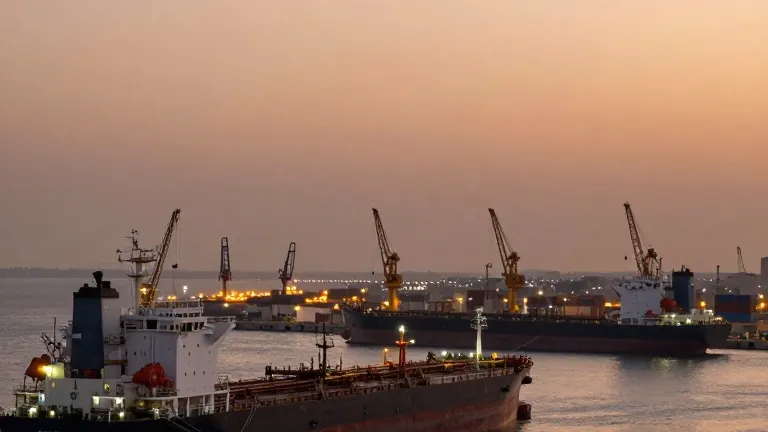
The U.S. military is deploying a third aircraft carrier with thousands of troops to the region. Simultaneously, a naval blockade has cut off at least $25 billion in Iranian oil revenue. The International Monetary Fund reports that Gulf Arab economies are contracting, with Kuwait, Qatar, and Iraq seeing roughly 16% declines this year while Bahrain's economy is down 11%. These figures reflect the economic strain caused by the disruption of trade routes, even as oil prices remain high.
Trump stated on Truth Social that the U.S. does not need a deal because it holds billions of dollars in frozen Iranian accounts. He met with the prime minister of Qatar, a key mediator, and said Gulf allies prefer the status quo of continued pressure. This stance marks a shift from earlier threats of intense strikes. Trump's flexibility is limited by recent political setbacks, including the loss of the Republican majority in Congress and the potential ouster of Israeli Prime Minister Benjamin Netanyahu following local elections.
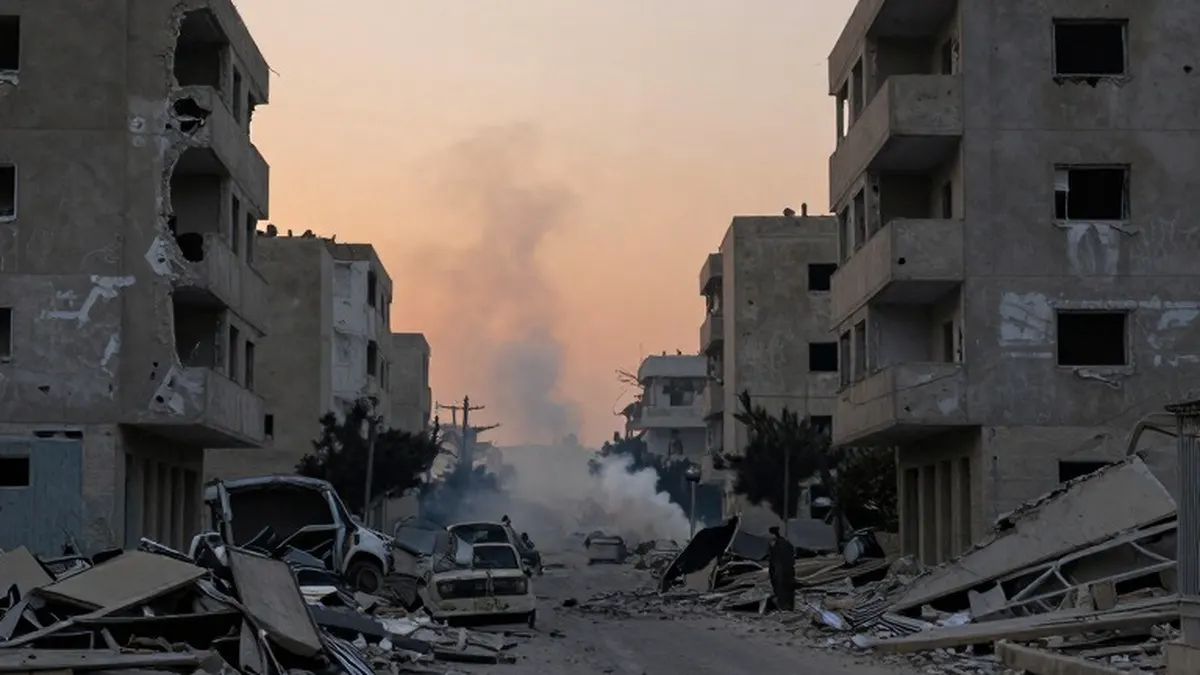
The conflict is spreading beyond the immediate U.S.-Iran front. In Yemen, Saudi Arabia and the Houthis are engaged in all-out war. Houthi attacks have targeted Saudi airports and the East-West pipeline, with recent airstrikes killing nearly 60 people in a village near Sanaa. The United Nations estimates that 330,000 Yemenis have been displaced by the renewed fighting. Pakistan, Turkey, and Egypt are now providing defensive support to Saudi Arabia, while the U.S. supplies intelligence on Houthi movements.
Diplomatic efforts remain stalled. Iran's representative, Hamidreza Gholamzade, said the country is prepared to pause attacks on ships but insists on seven specific demands before direct talks, including lifting sanctions and unfreezing funds. Secretary of State Marco Rubio called these conditions absurd. Iran has also unveiled a new underground missile site and continued tit-for-tat strikes, including a U.S. attack on an Iranian island in the Strait of Hormuz and a subsequent Iranian strike on a radar facility in Bahrain.
The United States is launching a new operation called Iron Gate to stop Iran from moving advanced weapons across land routes and the Caspian Sea. The United Arab Emirates has severed all trade ties with Iran, further tightening the economic noose. Senior UAE diplomat Anwar Gargash told an audience in Abu Dhabi that the region must prepare for a prolonged period of uncertainty without a decisive resolution.