31 cameras: Judge keeps Boulder Flock surveillance lawsuit alive
District Court Judge Michael Kotlarczyk ruled Nov. 18 that plaintiffs plausibly alleged the system violates state search protections.
By Jillian Foster ·
A class action lawsuit against Boulder’s Flock license plate camera system survives its first major legal hurdle.
District Court Judge Michael Kotlarczyk issued an order on Nov. 18 refusing to dismiss the case. The ruling allows two primary claims to proceed toward trial. The decision does not determine if the system is unconstitutional, but it confirms the plaintiffs raised valid legal questions.
William Freeman and Gwen Steel filed the suit on behalf of themselves and others. They sue Boulder Police Chief Stephen Redfearn and Dawn VanAckeren, the department’s records supervisor. The plaintiffs argue the department’s use of Flock violates the Colorado Constitution’s ban on unreasonable searches.
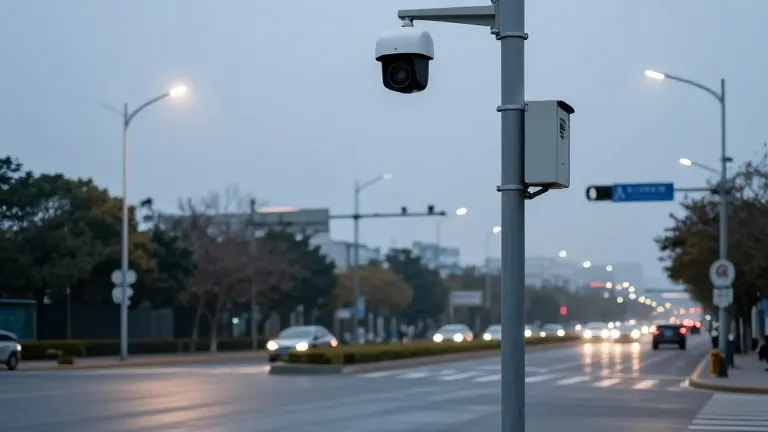
The city contracts with Flock to monitor 31 intersections in Boulder. The cameras photograph every vehicle and bicycle passing these points. Flock stores the images for 30 days. The lawsuit claims any officer can search these images without a warrant, probable cause, or supervisor approval. The plaintiffs also point to Flock’s Vehicle Journey Map feature, which they say creates a near-complete record of a vehicle’s movements over a chosen period.
Freeman drives past five of these cameras during his commute. The order notes he has been captured hundreds of times in the last two years. Steel appears in the database four days a week on her commute, while running errands, and while traveling to the Islamic Center in Boulder and local protests.
Boulder argued that police do not access images until they run a query, so the cameras alone are not a search. The city also argued that people on public roads have no reasonable expectation of privacy. Judge Kotlarczyk rejected the first argument. He wrote that the government cannot outsource constitutional obligations to a third-party contractor. He called the public nature of roads the city’s strongest point, but he found the plaintiffs’ allegations about the system’s scope sufficient to survive dismissal.
The judge also allowed a second claim regarding records requests to move forward. Freeman asked the department for images of his vehicle on Dec. 23, 2025. The department said running the search would violate its policy. The judge ruled that searching a database for existing records is not creating a new record. He stated Boulder cannot use its contract with Flock to avoid obligations under the Colorado Criminal Justice Records Act.
Andy McNulty, a civil rights attorney representing the plaintiffs, said the case challenges how Flock stores drivers’ movements in a searchable database. “You can’t capture everyone’s every movement unless you get a warrant,” McNulty said. He expects the case to move toward a jury trial next year. The city of Boulder said it will share its legal arguments in upcoming court filings and hearings. The city declined to comment further on the ongoing litigation.