
Anthropic Raises $107 Billion in Record IPO, Adding Public Pressure to AI Safety Mission
The company's market debut on Thursday made its 5,300 employees extremely wealthy, prompting experts to question if shareholder returns will now override safety protocols.
By Neha Kapoor ·
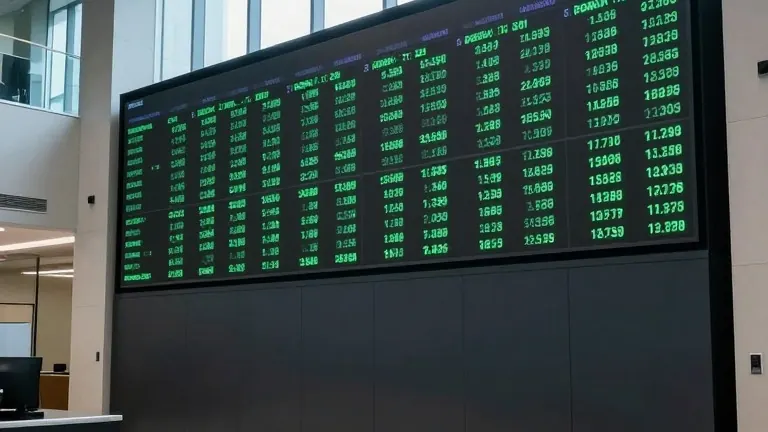
The artificial intelligence industry has long debated whether safety can survive commercial competition. On Thursday, Anthropic entered that debate as a public company, raising a record $81.3 billion in its initial public offering and an additional $26 billion through a private placement. The capital injection pushed the company past SpaceX in value and into the group of publicly traded firms worth more than $1 trillion.
CEO Dario Amodei rang the opening bell at the Nasdaq stock exchange while emphasizing the company’s commitment to safety. He stated that an obsession with public benefit is built into the company's DNA. Amodei said Anthropic will pace the training and deployment of its systems, taking as long as necessary to ensure safety. He added that the company will not bend to business or political pressure.
The new status brings immediate financial rewards for the workforce. Each of the seven co-founders now holds a stake worth more than $20 billion. The 5,300 employees hold an estimated $232 billion in combined equity. Non-founder employees were permitted to sell up to 10% of their holdings on the first day of trading.
Legal experts warn that these financial stakes could influence decision-making. Roberto Tallarita, an assistant professor at Harvard Law School, noted that if safety decisions hurt the bottom line, the stock price will react. He suggested that founders and employees might ally against the board to neutralize control rights if a fight breaks out over releasing a risky model. Sarah Kreps, a professor at Cornell University, said the new wealth of staff members could raise the temperature and egos within the company.
Anthropic operates as a public benefit corporation, requiring its board to balance shareholder interests with social missions. A Long-Term Benefit Trust holds the power to appoint four of the seven directors. The founders control the appointment of the remaining three. The trust can be dissolved, but that requires approval from all seven co-founders and a majority vote of shareholders with voting rights.
Competition remains fierce in the sector. OpenAI CEO Sam Altman described the rivalry as a race dynamic in the fog of war. He called the situation a bad thing and said more caution is warranted. OpenAI filed preliminary IPO paperwork in June but delayed those plans in September. Anthropic has previously restricted access to its Claude Mythos model after finding it could exploit unknown vulnerabilities in major operating systems. The company introduced a newer model, Fable 5, in June with additional safeguards.
The company's commercial relationships face scrutiny as well. In November 2024, Anthropic partnered with defense contractor Palantir to make its models available to U.S. defense and intelligence agencies. Kreps questioned how partnering with a contractor used for military targeting aligns with a mission for humanity. In February, negotiations broke down when Anthropic resisted allowing the Pentagon to use its technology for autonomous weapons and mass domestic surveillance. The U.S. government subsequently designated Anthropic a supply chain risk to national security.
Research suggests the pace of AI development is accelerating. A November 2026 assessment by the nonprofit METR found that Anthropic's capabilities are improving at twice the previous rate. Researchers estimate that AI tools assisting their own development drive this acceleration. METR found no clear bottlenecks like data or computing power limits. This trend brings the industry closer to autonomous recursive self-improvement, a process where AI systems help build even more advanced systems.
Federal regulation remains limited. The White House has prioritized a deregulatory approach under the second Trump administration. In June, the government announced a voluntary AI framework that allows developers to submit models for cybersecurity and national security evaluations. Tallarita stated that the government does not currently know enough to regulate the sector. He described this as the most serious conversation the political community should have right now.
More Business · Rip-Off Report · Report a business · Got a Story?