Colorado glaciers lost up to 12 feet of ice in one year
Record heat and low snowpack in 2026 caused dramatic thinning across the state's remaining ice fields, according to new data.
By Jillian Foster ·
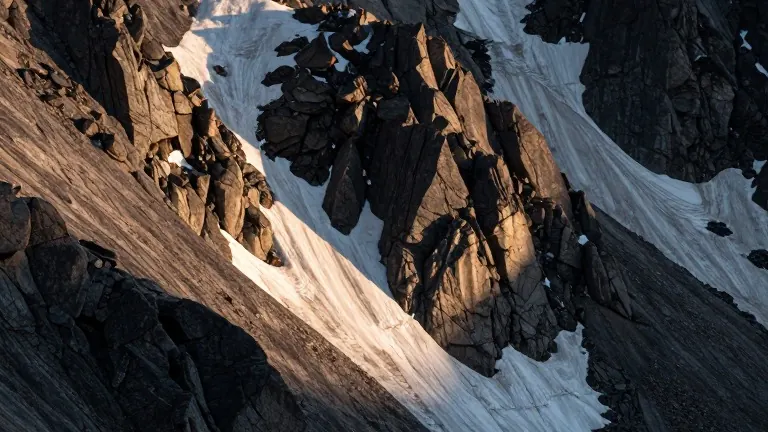
Colorado's most prominent glaciers thinned by as much as 12 feet in a single year, driven by record low mountain snow and record warm temperatures. New research released this month details the rapid loss of ice across the Rocky Mountains, marking a sharp acceleration in a trend that has been building for years. The data comes from a study focused specifically on the exceptional conditions of 2026.
Dan McGrath, a glaciologist at Colorado State University, measured the changes in the state's remaining ice masses. He found that the Andrews Glacier thinned by more than 12 feet in the past year. The Arapaho Glacier lost nearly 10 feet, while the Isabelle Glacier shed about 6.5 feet. These figures represent a doubling of the thinning rate compared to the previous five years. In the decade before that period, the glaciers had lost a foot or less annually.
The impact was not limited to thinning. St. Mary's Glacier, a perennial snowfield frequently visited by hikers and skiers, melted completely in September. McGrath noted that the state's worst snowpack on record, followed by record summer heat, left the ice exposed. He described the event as a loss of a part of Colorado's identity. McGrath also pointed to consistent patterns in other mountain ranges, including the European Alps and other western U.S. ranges.
The local changes mirror a global trend of accelerated glacier loss. More than 7 trillion tons of ice have been lost worldwide since 2000. In Switzerland, glaciers lost 5.5% of their ice volume this year, marking the second-biggest percentage drop on record. In Washington state, researchers from the North Cascade Glacier Climate Project reported the fastest average retreat on Mount Baker since 1950. The survey included the collapse of several large ice caves formed by warm air circulation.
Brian Menounos, an earth sciences professor at the University of Northern British Columbia, co-authored a new study on U.S. mountain glaciers. He reported that since the mid-1900s, about one-quarter of these glaciers have disappeared. The remaining glaciers have lost a third of their area and volume. Menounos explained that glaciers could potentially re-form if carbon pollution declines substantially and temperatures drop, but that process could take several hundred years. He also noted that wildfires contribute to melting by darkening glacier surfaces with soot.
McGrath believes Colorado's remaining glaciers may not have much time left. He stated that the Andrews Glacier has already lost half of its ice since 2017. The current rate of thinning could lead to the demise of these glaciers within the next 20 years. Harlan Ulmer, a 20-year-old student at Colorado State University, has photographed the glaciers annually since 2022. He volunteers with McGrath's research project and aims to document the changes for future generations.
The study highlights the vulnerability of water sources and mountain hazards as ice disappears. McGrath said the glaciers are out of balance with the climate in the western U.S. The data provides a concrete baseline for the rapid changes occurring in 2026. The findings add to the growing body of evidence regarding the pace of glacial retreat in high-elevation regions.
Source: The Denver Post · original report published