COP31 Begins in Turkey as Energy Crisis and Rising Heat Test Global Pledges
Negotiators start the 31st UN climate conference with the U.S. absent, facing a backdrop of soaring fuel prices and a world that has already breached key temperature thresholds.
By Jillian Foster ·
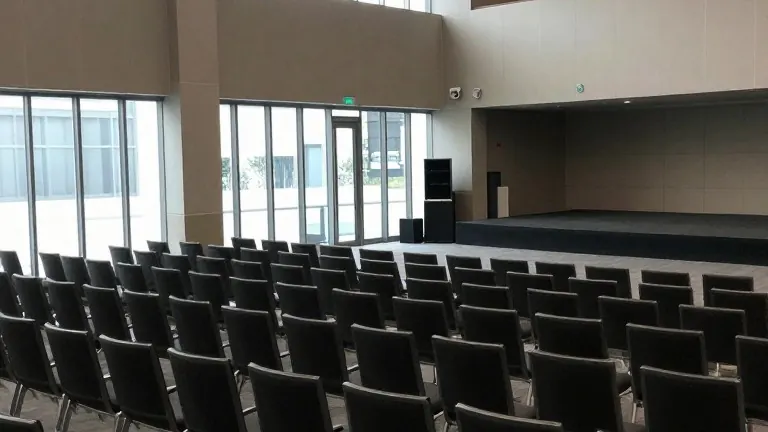
World leaders convened in Antalya, Turkey, on Monday to open the 31st Conference of Parties, or COP31. The gathering arrives during a period of intense energy volatility and accelerating climate impacts. The primary agenda involves assessing how nations are following through on previous commitments to reduce emissions and support vulnerable countries.
The conference kicks off against a backdrop of recent geopolitical shocks. The closure of the Strait of Hormuz following conflicts between the United States, Israel, and Iran has sent fossil fuel prices soaring. This disruption is forcing nations to reconsider their energy strategies. Simultaneously, the United Nations recently revised its long-standing goal of limiting global temperature rise to 1.5 degrees Celsius (2.7 degrees Fahrenheit) because the world is currently exceeding that limit.
Data from the U.N. indicates that global warming has reached 1.4 degrees Celsius (2.5 F) above preindustrial levels. The organization projects the planet is on a trajectory toward 2.6 degrees Celsius (4.7 F) by the end of the century. Johan Rockström, director of Germany’s Potsdam Institute for Climate Impact Research, stated that the world has failed to meet its targets so far. He warned that Earth will likely face more frequent extreme weather events, including floods, droughts, and storms, as well as potential tipping points such as shifting ocean currents.
A central point of contention at COP31 is the transition away from coal, oil, and gas. While renewable energy is becoming cheaper and cleaner, global demand for power is rising due to artificial intelligence and economic growth. Consequently, many nations are using both fossil fuels and renewables to meet that demand. This year, 56 countries met in April to push for a more direct phaseout of fossil fuels, a move that remains difficult to implement in final conference documents due to the requirement for consensus.
The absence of the United States adds complexity to the financial discussions. As the largest historic carbon polluter, the U.S. skipped last year’s conference and is not expected to participate this time. Niklas Höhne, co-founder of Germany’s NewClimate Institute, noted that determining who pays for climate action is complicated by this absence. He explained that there is no other major player capable of filling the financial gap left by the U.S.
Turkey, the host nation, is promoting a specific initiative to increase electricity's share of global energy use. The goal is to raise this share from 21% to 35% by 2035, primarily through solar and wind power. This plan aims to electrify transportation and other sectors. Negotiators are also working out the details for distributing promised funds to poorer nations to help them switch to renewables, adapt to a warmer climate, and recover from climate-induced damage.
Brazil released a voluntary roadmap this month outlining how countries can transition away from fossil fuels. Ana Toni, who served as CEO of last year’s climate talks, described the roadmap as a way to break down the large problem of reducing fossil fuel use into smaller, actionable solutions. She emphasized that nations must stop subsidizing fossil fuels, a practice that the U.N. estimates costs the global economy $1.1 trillion this year.
Youth activists attending the conference expressed a mix of hope and frustration. Ashley Lashley, a Barbados activist, said the science has become more alarming, but political negotiations seem focused on determining how much failure is tolerable. Qiyun Woo, a Singaporean environmentalist, stated that her generation is tired of seeing their futures threatened by wildfire smoke, floods, and landslides.
Experts point to the rapid growth of renewable energy as a source of optimism. Bill Hare, CEO of Climate Analytics, noted that technology is no longer the main barrier. Instead, he said governments and incumbent industries are slowing down action. Mohamed Adow, director of Power Shift Africa, cautioned that the conference is taking place at a time of deep global fragmentation. He said the closure of the Strait of Hormuz has intensified economic pressures, making it difficult for the conference to fully address current livelihood challenges.
The conference will continue with detailed negotiations on implementation and funding. Side events will focus on sector-specific transitions, including the energy and transportation sectors. Participants are expected to finalize a package of decisions before the formal close of the summit.