Don Cherry: From Watts jazz to a Swedish schoolhouse
The trumpet player's move from New York clubs to rural Europe helped him overcome addiction and shape a new genre of world fusion.
By Neha Kapoor ·
Don Cherry was born in Oklahoma City in 1936 to Choctaw and African American parents. Music was a constant in his home. His grandmother played piano for silent films, his mother played at home, and his father managed the Cherry Blossom Club, a local venue that hosted jazz legends like Fletcher Henderson.
The family moved to the Watts neighborhood of Los Angeles in 1940. Cherry grew up in the middle of the Central Avenue jazz scene. He took piano lessons at age seven and picked up the trumpet at 13. He skipped school at Fremont High to play with the swing band at Jefferson High. That dedication led to a brief stint in reform school, where he met drummer Billy Higgins.
By his late teens, Cherry was playing professional gigs around Los Angeles. He received informal mentorship from Clifford Brown. His father disapproved of the musician lifestyle, viewing jazz as a path to addiction. Cherry ignored the caution. In 1956, he met saxophonist Ornette Coleman.
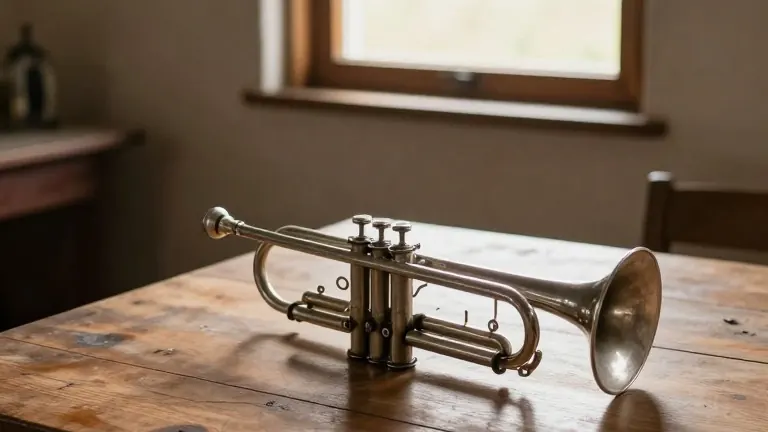
In November 1959, the Ornette Coleman Quartet performed at The Five Spot Cafe in New York City. The group included Cherry on pocket trumpet, bassist Charlie Haden, and Higgins on drums. They played music that ignored traditional chord changes, relying on collective improvisation. The performance divided the jazz world. Leonard Bernstein supported the style, while Miles Davis called Coleman "all screwed up inside."
The residency at The Five Spot extended from two weeks to months. The pressure of performing in New York took a toll on the band. Cherry, Higgins, and Haden all struggled with heroin addiction. Coleman, who refused to use drugs, did not notice the severity of the problem until later. When he realized the other three members were using, the band's stability fractured. Cabaret cards, the police permits required to play in clubs, were revoked for drug offenses. The group began to splinter due to arrests and health issues.
Cherry left the United States in the late 1960s to find a new environment. He traveled through Europe, India, and Africa. He recorded albums like Eternal Rhythm in Germany in 1968 and Mu in France in 1969. These recordings blended free jazz with instruments from other cultures, such as Indonesian gamelan and bamboo flutes.
Cherry eventually settled in Tagårp, Sweden, with his wife, the visual artist Moki Cherry. They lived in an old schoolhouse. Cherry practiced yoga, cooked organic food, and focused on children's education. His partner and producer Verna Gillis said, "He was able to stay off drugs in a lot of places, but never in New York." The rural lifestyle in Sweden reduced his access to hard drugs and supported his recovery.
Cherry continued to record and perform throughout the 1970s and beyond. He used his trumpet to explore folk traditions from around the world. He remained active as a musician and composer until his later years, having moved far from the New York clubs that launched his career.
More Culture · Denver news · Report a business · Got a Story?