Israel Election Results Leave Both Camps Short of Parliamentary Majority
High turnout and uncounted military ballots keep the coalition math uncertain as Netanyahu and Eisenkot both claim mandates to lead.
By Neha Kapoor ·
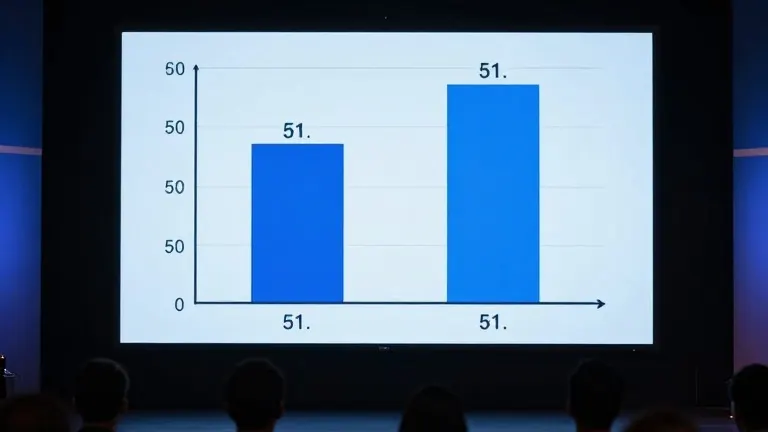
Benjamin Netanyahu’s Likud party emerged as the largest single entity in Israel’s 120-seat parliament following the election held on October 28. Despite this lead, his alliance with ultra-nationalist and ultra-Orthodox parties remains just under the 61 seats required for a governing majority. Analysts note the early count favors right-wing strongholds, a factor that could shift as late-arriving votes are tallied.
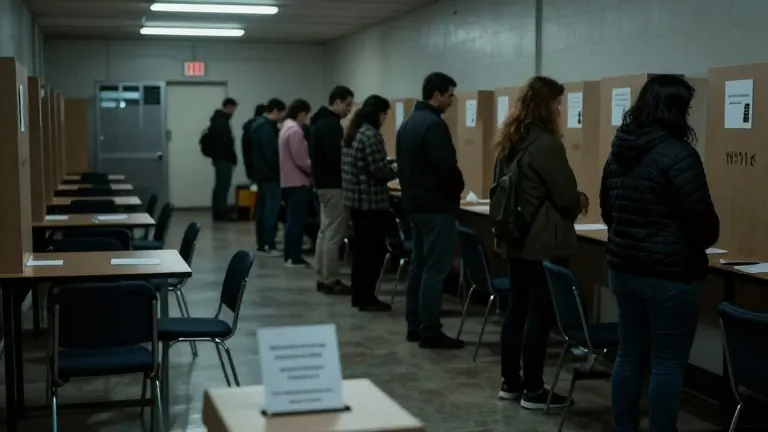
Turnout exceeded 77 percent, a surge that mirrored widespread predictions of a political standoff. Gadi Eisenkot, the former army chief leading the opposition, also failed to secure a majority in the partial results. His bloc appears dependent on support from Israel’s Arab-led parties, a relationship that many Jewish opposition candidates had pledged to avoid during the campaign.
Arab Israeli voters, who make up one-fifth of the population, turned out in large numbers. This participation positions their parties as potential kingmakers in the fragmented legislature. Many voters framed the election as a final chance to displace what they described as the most right-wing government in the country’s history.
Both leaders addressed their supporters overnight, asserting their right to form the next government. Netanyahu stated that the right-wing bloc holds a decisive majority among the Jewish public. He emphasized the need to build a strong, national government but stopped short of declaring a formal victory.
Eisenkot declared that the public had chosen change and voted against Netanyahu’s continued leadership. He promised to work quickly with partners to form a stable Zionist government. His statement followed exit polls that initially favored the opposition bloc.
A major uncertainty remains in the high volume of absentee ballots, primarily from military personnel. These votes are not yet counted, meaning the final seat distribution may change over the next two days. Professor Tamar Hermann of the Israeli Democracy Institute noted that voting patterns have not shifted dramatically since the 2023 wars, with support for and against Netanyahu remaining roughly equal.
The next steps involve President Isaac Herzog consulting party leaders next week to determine who will attempt to form a coalition. The designated candidate has six weeks to secure a majority. If no party can assemble enough seats, a new election will be scheduled. Netanyahu’s current team will remain in a caretaker role, limited in its ability to enact major policy changes.
Veteran journalist Yaakov Katz described the coming period as intense political wrangling. He predicted attempts to win over defectors or form minority governments. The success of these efforts will depend on whether opposition leaders are willing to negotiate with Arab parties, a move that has been a point of contention since the October 2023 attacks.
Source: BBC News