Lawmakers Visit SW Colorado Flood Zones
Senators and a Representative toured Guadalupe and Del Norte to assess damage and discuss federal funding for Conejos County.
By Jillian Foster ·
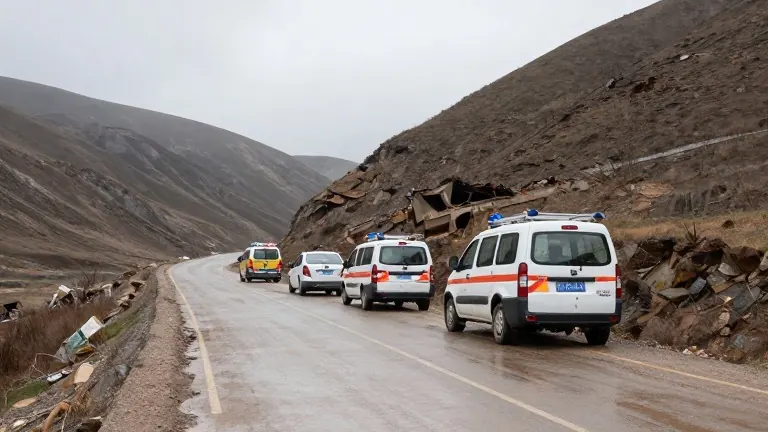
Senators John Hickenlooper and Michael Bennet, along with Representative Jeff Hurd, toured flood-damaged areas in southwest Colorado on Thursday. The group visited Guadalupe, Del Norte, and South Fork to speak directly with residents and local officials about recovery needs.
The legislators plan to amend the Major Disaster Declaration funding request that Governor Jared Polis sent to President Donald Trump on Saturday. They intend to add Conejos County to the request to ensure the region receives adequate federal support for rebuilding.
Representative Hurd described the scene as heartbreaking, noting that seeing the damage in person was different from viewing it on social media or in news broadcasts. Senator Bennet agreed, calling the situation gut-wrenching for residents who have lost homes and infrastructure they relied upon for years.
Senator Hickenlooper expressed confidence that the President would not deny the funding, a departure from the response to the 2025 floods. He cited informal conversations with White House aides, suggesting the President recognizes the need for collaboration with Democrats in the final years of his term.
Bennet emphasized the financial strain on Conejos County, one of the poorest in the state. He noted that many residents struggle to save for housing or rely on trailer homes, making the loss of property a severe setback for families who have worked hard to establish their livelihoods.
Hurd highlighted specific issues in Del Norte, where a local trustee reported that senior citizens are living with mold caused by the flooding. He stated that the condition is unacceptable and requires immediate correction to protect residents' health.
In South Fork, officials reported that more than 2,700 people were evacuated during the peak of the flooding. As of Thursday, 65 residents had not yet returned home because more than two dozen houses were inaccessible due to damaged bridges. First responders compared the event to the 2013 floods but noted that the current timing makes rebuilding critical roads like US 160 more difficult during the winter.
Conejos County Emergency Director Rodeny King said the county's budget was cut by approximately 20 percent this year, straining resources. He is negotiating with the state Department of Homeland Security Emergency Management to adjust the cost-sharing ratio, which is typically 25 percent for the county and 75 percent for the state. King said the county aims to use TABOR funds, though those must be repaid the following year.
King stressed the need for permanent structures rather than temporary fixes, as residents will live in these homes for decades. He said federal funding would primarily support public assistance, including roads, bridges, highways, and public buildings. The road and bridge crews are working urgently to restore access before colder temperatures set in.
Residents of Conejos County described the shock of the rapid water rise. Sally Vasquez, part of a three-generation family in the area, said the water rose above their knees in about 40 minutes. She noted that insurance will not cover the cost to fix her dent, and as a widow, she relies on federal help for repairs. Her relatives Felicia and Courtney Vasquez described the emotional toll of the event, with Felicia saying the family has offered prayers while waiting for concrete assistance.
More Politics · Denver news · Report a business · Got a Story?