More surgery moves from hospitals to outpatient centers in North Dakota
Health system leaders say the shift lowers costs and speeds recovery, but rural hospitals warn that losing procedure volume threatens their ability to maintain 24/7 emergency services.
By Neha Kapoor ·
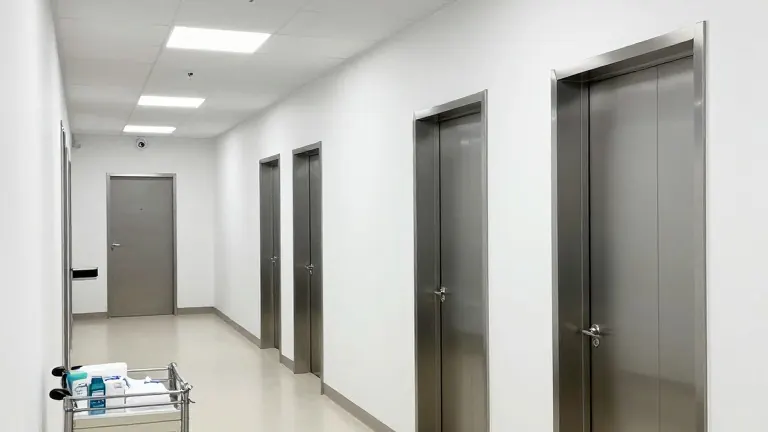
Healthcare providers in North Dakota are moving a growing number of elective surgeries and diagnostic services from hospitals to ambulatory surgery centers. Leaders cite lower costs, faster patient recovery, and increased convenience as the primary drivers of this change.
Pete Edis, CEO of McKenzie Health in western North Dakota, notes that minor orthopedic, general surgical, ENT, urology, and gynecological procedures are increasingly performed in outpatient settings. He attributes this trend to advances in technology, anesthesia, and minimally invasive techniques, alongside patient preference and payer reimbursement structures.
Joe Wendt, senior vice president of operations at Essentia Health, says more complex elective procedures are shifting to ambulatory centers at a rapid pace. He identifies total knee, hip, and shoulder replacements as the leading category, with spine care, cardiovascular procedures, and ophthalmology also moving to outpatient facilities. Wendt adds that nonsurgical services such as infusion therapy, imaging, and remote monitoring are expanding in these settings.
Sanford Health is adapting by partnering with developers to build new outpatient spaces and converting existing inpatient areas into clinics. Tiffany Lawrence, president and CEO of Sanford Fargo, mentioned a joint venture for a new ambulatory surgery center in Grand Forks and the conversion of inpatient areas at the Roger Maris Cancer Center in Fargo.
Essentia Health is pursuing a similar strategy through construction, acquisitions, and joint ventures. Wendt stated that more than 60 percent of health system executives identify ambulatory surgery centers as a leading opportunity for such partnerships. One example is Essentia’s partnership with Brightside Surgical in Bismarck, which aims to retain physicians and expand access at a lower cost while preserving hospital capacity for complex cases.
The shift presents financial challenges for rural hospitals. Mike Delfs, CEO and President of Jamestown Regional Medical Center, explained that rural hospitals rely on procedure revenue to support 24/7 emergency and inpatient services. He warned that if too much volume moves to outpatient settings, it becomes difficult to maintain the essential infrastructure that rural communities depend on.
Edis emphasized that the decision to move a procedure should focus on what setting gives the specific patient the best chance for a safe outcome. He noted that many rural patients live far from hospitals and lack access to home healthcare, making short inpatient stays for rehabilitation necessary.