MSU Denver and Denver Health launch new EMT training track
A 15-week program offers 12 college credits and aims to add 144 new emergency medical technicians to the state workforce.
By Jillian Foster ·
Metro Denver residents will see more emergency medical technicians on the streets as a new training initiative aims to address statewide staffing gaps. The partnership between Metropolitan State University of Denver and Denver Health creates a direct route for students to enter the EMS field. This move responds to a persistent shortage of EMTs across Colorado, a problem attributed to recent retirements, pandemic-related burnout, and staff shifting to other healthcare roles.
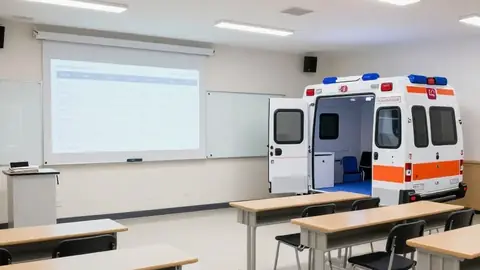
The new program runs for 15 weeks and blends classroom instruction with hands-on simulations and real-world training. Students who finish the course earn 12 college credits. According to Garrett Chism, the master of health administration program director at MSU Denver, these credits apply to all degree pathways. This flexibility allows trainees to use the EMT certification as a stepping stone toward nursing, firefighting, hospital work, or other medical careers.
Denver Health officials plan to offer six classes over the next year. This schedule creates up to 144 new training spots for aspiring EMTs. Mackennon Thompson, an assistant chief paramedic at Denver Health, described EMTs as the foundation of emergency healthcare. He noted that the curriculum prepares students to serve the community effectively by giving them practical experience before they enter the field.
Leslie Gallegos, an MSU Denver student, said she joined the program because she sees a high demand for EMS workers in modern medicine. She described the work as rewarding because no two days are alike. Gallegos added that she likes helping people and anticipates a growing need for medical assistance in the near future. Chism agreed, stating that EMT work is a great first step for anyone interested in a healthcare career.
The collaboration seeks to strengthen the pipeline for new healthcare workers. By combining academic credit with practical skills, the program offers a structured entry point into a demanding field. Thompson emphasized that the training focuses on community service. Chism pointed out that the role provides a solid start for various medical pathways. The upcoming classes will begin soon, with the first cohort expected to enroll as part of the annual plan.
This initiative targets the specific challenges facing Colorado's EMS sector. The combination of burnout and workforce movement has left a gap that new training must fill. The 12 credits earned through the program provide tangible academic value alongside the job skills. Students gain experience in both simulated and real emergency scenarios. This approach aims to produce competent EMTs who are ready for the demands of the job.
The partnership between the university and the health system marks a coordinated effort to expand the local workforce. The six planned classes represent a substantial increase in training capacity for the region. As the program launches, it provides a concrete option for students seeking a career in emergency care. The focus remains on building a resilient EMS team through targeted education and credit-earning opportunities.