Wildfire runoff threatens Colorado water supplies with long-term contamination
New studies indicate that ash and organic matter from burned landscapes can clog treatment plants and degrade drinking water quality for up to eight years, prompting emergency funding in Glenwood Springs and Las Vegas, New Mexico.
By Martin Reynolds ·
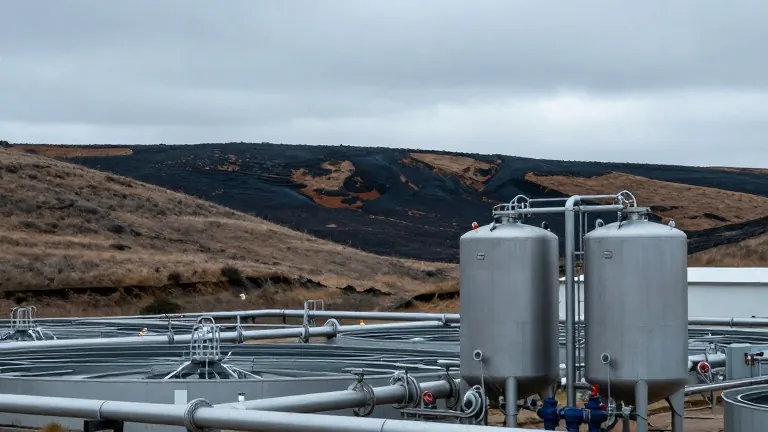
Denver and other cities across the United States rely on forested watersheds for their drinking water, but a growing number of studies suggest these natural filters are failing after major fires. New research indicates that contamination from wildfire ash and organic matter can persist in water systems for more than a decade, forcing utilities to implement costly and complex treatment measures.
The scale of the threat is expanding. In 2026 alone, 68,179 wildfires have burned more than 9.5 million acres. As climate change intensifies drought conditions, these fires are becoming more frequent and severe. This shift has left water treatment plants in communities across the country, including parts of Colorado, struggling to manage the influx of debris carried by rain.
Water treatment facilities typically depend on trees and soil to filter water before it reaches intake plants. However, wildfires disrupt this system, causing spikes in heavy metals and dissolved organic matter that standard plants are not designed to handle. Carli Brucker, a lead author of a University of Colorado Boulder study, noted that impacts in burned basins can last up to eight years. This longevity complicates recovery efforts, as communities cannot simply wait for the land to heal naturally.
The physical challenges extend to the chemistry of the water. When utilities add chlorine to disinfect water, it reacts with the dissolved organic matter left behind by fires. This reaction creates disinfection byproducts regulated by the U.S. Environmental Protection Agency due to potential health risks. Because treatment plants cannot easily remove these byproducts, they must spend extra time and resources removing the organic matter before disinfecting the water, which often delays the supply to residents.
Colorado communities have already faced these hurdles. In 2020, the Cameron Peak fire forced Fort Collins to close its river intake and pull water from Horsetooth Reservoir. The reservoir remained safe because it is fed by a different watershed, but the move highlighted the fragility of local water sources. Nearby, Glenwood Springs faced a similar crisis when a 2020 wildfire burned the area around No Name and Grizzly creeks, its primary water sources.
Officials in Glenwood Springs sought help from the Colorado Water Conservation Board to protect against sediment expected to wash down the slopes during spring rains. Within two months, the board authorized an emergency loan of $8 million for improvements to the city's treatment system. These costs illustrate the financial burden placed on municipalities as they adapt to a changing climate and the increased frequency of high-severity fires.
The situation in Las Vegas, New Mexico, offers a stark example of the long-term strain on communities. After the Hermit’s Peak/Calf Canyon wildfire in 2022, residents went without water for months as the Gallinas River became contaminated. Karen Pettine, who has owned the Hillcrest Restaurant for 50 years, said the crisis forced her to close for periods of up to a week. She recalled using paper plates and picking up cases of bottled water from semi-truckloads delivered to the city.
The town faced repeated setbacks. A massive flood in 2024 carried more burn debris into local reservoirs, leaving the town with only days of safe water. They hired trucks to bring 2.2 million gallons of water from Santa Fe and Santa Rosa. In February 2025, equipment failure and weather issues caused a pressure drop, leading to a monthlong boil-water advisory. Mayor David Romero described the February event as the scariest period for the community.
State and federal governments have allocated $148 million to rebuild Las Vegas’s treatment plant and support efforts to find other water options, such as drilling wells. Groundbreaking on the first phase of the new plant is scheduled for November 18. Romero stated that the city is working on alternative sources because the Gallinas River is no longer a reliable long-term supply.