Eric Thomas Suggests Home Hosting for Friend Groups Struggling With GLP-1 Dining
The advice columnist advises a Denver woman to shift her quarterly dinner meetings from restaurants to private residences or secondary venues to accommodate friends taking weight-loss and diabetes medications.
By Jillian Foster ·
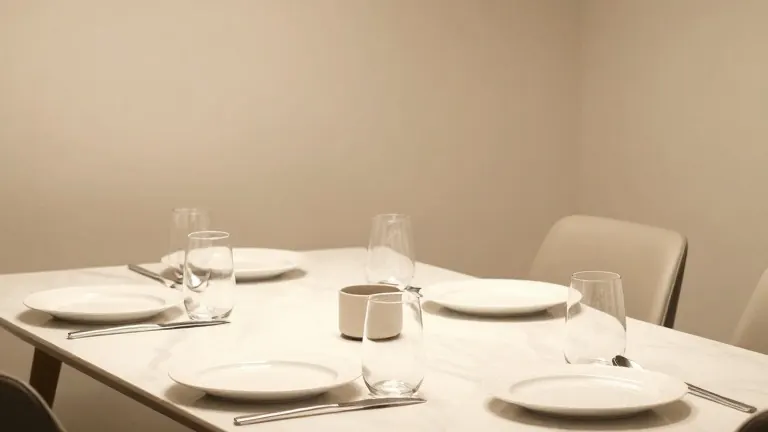
R. Eric Thomas, a regular advice columnist for The Denver Post, responded to a letter from a reader who identified as Dining Out. The reader described a social group of six women who have met for dinner every three months for four years. Four members of the group currently use GLP-1 medications, with two using the drugs for diabetes management and two for weight loss. The remaining two members, including the reader, do not take the medications.
The reader reported that the group's dining habits have shifted dramatically. Previously, the group spent one-and-a-half to two hours eating and conversing at restaurants. Now, the women on GLP-1 medications finish their meals quickly. The reader and her non-GLP-1 friend feel rushed to finish their own meals, often influenced by waiters who notice the other four women have completed their plates. The reader stated that the group has stopped eating salads to manage the pace. The reader noted that the experience is no longer relaxing or enjoyable for the two women not on medication.
The reader mentioned that the group has attempted to replace dinners with craft classes or walks, but these alternatives have not worked out. The reader asked for suggestions to make the gatherings enjoyable again or to determine if the two non-users are now out of place in the group.
Thomas suggested that one member of the group host the gathering at her home. This arrangement would remove the pressure to pay the check and leave the establishment. Thomas proposed that each member could contribute to the cost of food or catering. A potluck style might also assist members following specialized diets. If hosting at home is not feasible, Thomas recommended adding a second location to the evening. A tea house, dessert shop, or a venue for drinks or coffee could provide a setting better suited for lingering conversation than a traditional restaurant.
Thomas advised the group to discuss the change in dynamics collectively. If the shared goal is to spend two hours talking, the group must be creative because meals no longer consume that time. Thomas noted that the group does not need to find a solution independently. He emphasized that the two women not on medication are not the odd ones out, but the group structure needs adjustment.
Thomas also answered a second letter from a reader who identified as Want My Life Back. This reader described a 12-year estrangement from emotionally abusive, actively drinking parents. The reader reconnected last spring, but her mother rejected her and insulted her over the phone. Her father has been more receptive but exhibits inconsistent behavior. In a recent call, her father called her an alcoholic, disrespectful, and unempathetic. The reader attends Al-Anon meetings and reads related literature but struggles with the emotional toll of the relationship. Thomas advised that the reader accept that she may not have the relationship she seeks while her parents are in active addiction. He suggested changing the form of contact, such as writing letters at regular intervals or sending cards on meaningful days, to maintain a connection without the stress of direct interaction.
The reader for the first letter, Dining Out, will consider hosting at home or adding a secondary venue to her quarterly group meetings. The reader for the second letter, Want My Life Back, will evaluate whether written correspondence is a sustainable alternative to phone calls with her parents. Thomas receives questions for his column at eric@askingeric.com or P.O. Box 22474, Philadelphia, PA 19110.
Source: The Denver Post · original report published
More Culture · Denver news · Report a business · Got a Story?