New York voters approve charter change to speed up street safety projects
A 66% majority voted yes on Proposition 3, which cuts approval steps for bike and bus lanes and limits legal challenges based on minor procedural errors.
By Martin Reynolds ·
New York City street safety projects face a faster path to completion after voters approved a charter amendment on Nov. 3. The measure aims to shorten construction timelines and reduce the number of legal hurdles that can delay infrastructure work.
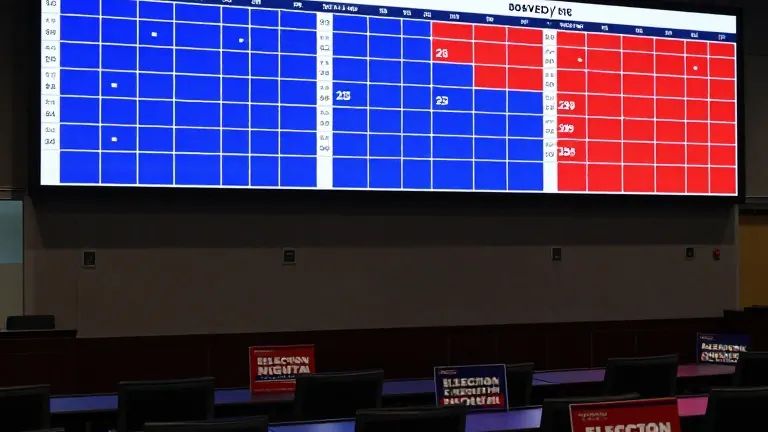
Ballot Proposition 3 received support from over one million New Yorkers. That figure represents nearly 66% of the votes cast. The proposal was advanced by Mayor Zohran Mamdani’s Commission on Government Efficiency, or COGE. It passed alongside four other measures related to city operations.
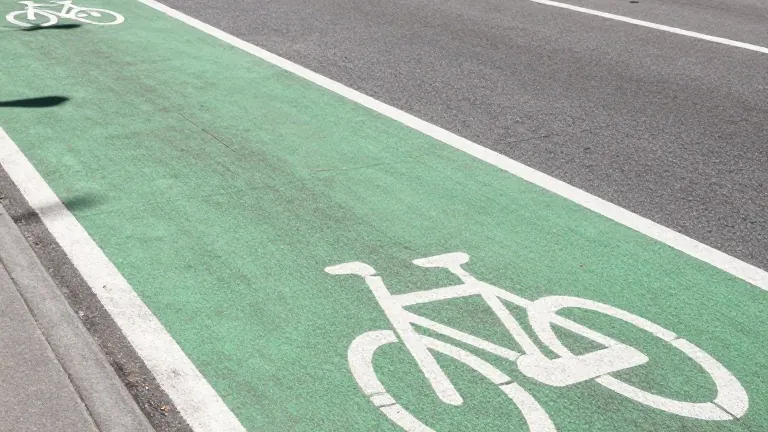
The amendment changes how the city handles Major Transportation Projects. These are defined as projects affecting 1,000 consecutive feet of roadway or covering four consecutive blocks. Any project that includes a bike lane is automatically classified as a street safety project. Previously, the Department of Transportation had to consult with four separate city agencies. It also had to document those consultations and notify local elected officials and community boards.
The new rules remove the requirement for agencies like the Fire Department to confer with specific local sub-units, such as individual firehouses. This step was identified by COGE as a source of substantial delays. The amendment also limits the power of lawsuits based on procedural errors. A judge can no longer halt an entire project solely because a minor notification step was missed.
Ben Furnas, executive director of Transportation Alternatives, noted that the group found it took the city an average of 527 days to complete bike lane projects between 2022 and 2025. He compared that duration to the 410 days required to build the Empire State Building. Furnas said the vote gives the administration a mandate to move quickly on its street safety agenda.
Jon Orcott, director of advocacy at Bike New York, stated that public opinion polls have consistently shown similar levels of support for bike lanes since 2011. He observed that approval margins have historically hovered around two to one. Danny Pearlstein, policy director for Riders Alliance, said the change supports the city’s plan to speed up bus service on 50 priority corridors. He argued that reducing bureaucratic steps will help achieve a 20% increase in bus speeds.
The amendment grants DOT the authority to begin work before presenting a project to a community board if immediate implementation is needed to prevent significant injury. This power is intended for streets with high crash data. The previous rules, established by City Council legislation in 2009 and amended in recent years, required extensive documentation before construction could start.