New York voters approve five changes to speed up city approvals
The measures, which passed Tuesday, aim to cut red tape for dining permits, contracts, and construction, though critics warn they may reduce public oversight.
By Jillian Foster ·
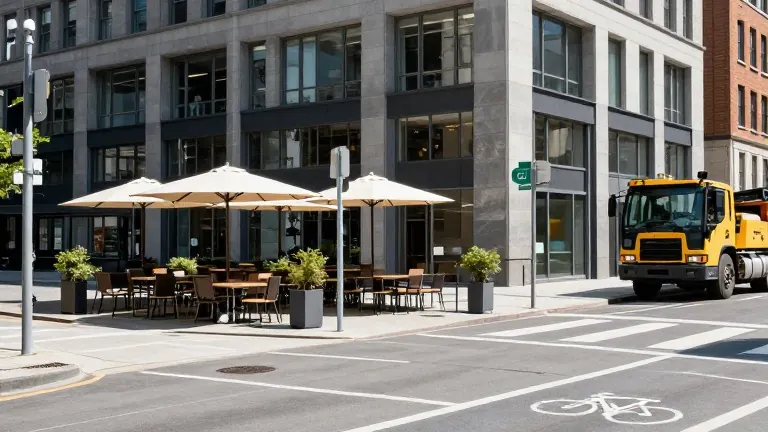
New York City residents will see faster processing times for outdoor dining, business contracts, and construction permits after voters approved five ballot proposals on Tuesday. The measures passed with substantial majorities, clearing the way for a streamlined approach to city operations. This follows a July initiative by Mayor Zohran Mamdani's Commission on Government Efficiency, which sought to eliminate specific approval requirements to reduce bureaucratic delays.
Question 1, supported by 63.2 percent of voters, targets the approval process for private uses of public space. It removes mandatory public hearings for revocable consents, such as sidewalk cafes, and eliminates the City Council's power to veto individual applications. The city projects this change, combined with Department of Transportation efforts, will cut outdoor dining approval times from eight months to roughly two months. The changes take effect on March 1, 2027.
Question 2 passed with 61.6 percent of the vote, focusing on reducing paperwork for businesses and nonprofits seeking city contracts. It allows the Procurement Policy Board to simplify contractor questionnaires based on factors like contract size and industry type. The board must now meet at least quarterly. The commission estimates these changes will save approximately 30 days in some procurement processes.
Question 3 received 65.5 percent approval, combining street safety reforms with changes to city-owned property. It streamlines consultation for bike and bus lanes and gives the transportation commissioner more flexibility to accelerate safety projects. The measure also allows city-owned properties under 10,000 square feet to undergo shorter approval processes, with the City Planning Commission holding final authority instead of the City Council. It also moves approval of government office leases to the Department of Citywide Administrative Services.
Question 4, which passed with 67.5 percent of the vote, creates a centralized construction permitting hub. The Department of Buildings will consolidate 40 permits currently handled by 18 different agencies. The system also transfers waterfront construction permitting from the Department of Small Business Services to the Buildings Department. The target launch date is December 1, 2029, though funding needs could extend this timeline.
Question 5 passed with 72.3 percent of the vote, establishing a target for city financial reserves equal to at least 12 percent of the previous fiscal year's tax revenue. It requires the Mayor's Office of Management and Budget and the comptroller to develop a methodology for calculating contributions to the rainy day fund. The measure does not mandate automatic annual deposits if reserves fall below the target, a distinction that divided fiscal watchdogs.
Supporters, including the Citizens Union and the Citizens Budget Commission, argued the changes address affordability and efficiency. Opponents, such as Common Cause New York and the Municipal Art Society, warned that faster approvals could weaken public participation and safeguards. This vote occurs one year after New Yorkers approved three housing-related charter amendments that shifted authority away from the City Council.
Mamdani stated that the results would help cut red tape and address the city's affordability crisis. "Tonight, New Yorkers voted for a government that moves as fast as they do," he said. "From opening outdoor dining faster to speeding up street safety projects to accelerating housing production, we are cutting red tape that will directly address the affordability crisis and help New Yorkers stay in the city they love."