Pagosa Springs residents salvage museum collections after back-to-back floods
Volunteers moved historic items to safer ground as the San Juan River undercut the museum floor, while the town assessed damage from storms that left it isolated.
By Jillian Foster ·
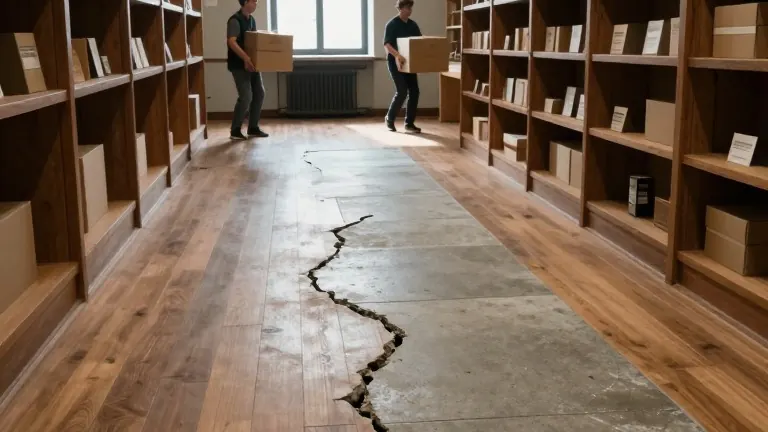
Volunteers at the Pagosa Springs History Museum moved historic artifacts away from a widening crack in the concrete floor on Wednesday.
The crack, which had expanded in the days following historic floods, separated part of the building from the walls. Below the fractured section, the San Juan River rushed through yards of open water.
David Hamilton, the museum board president, told about 10 community members inside that the space was no longer safe. The group worked to relocate items to areas of the building that remained on solid ground.
The town faced two major flood events in late October and early November. The first storm, fueled by remnants of Hurricane Trudy and El Niño conditions, peaked on Oct. 23. A second system brought additional moisture on Nov. 1. Ryan Maue, a former NOAA chief scientist, estimated that more than 20 trillion gallons of rain fell on the Four Corners region and Nevada over two weeks.
The San Juan River’s flow through Pagosa Springs jumped from a typical 40 cubic feet per second in summer to a peak of 10,400 cfs during the storms. Hamilton described the sound of the water at night as resembling a jet taking off.
Damage assessments indicated that at least 800 buildings were affected by the initial flooding, including 540 homes. By Friday, Mayor Shari Pierce said the number of impacted homes had risen to at least 700. The Piedra Bridge on U.S. 160 west of town was torn apart, isolating Pagosa Springs from Durango and other communities.
With U.S. 160 damaged, U.S. 84 became the primary route into the town. That highway temporarily closed and required repairs as of Thursday. Archuleta County Commissioner Warren Brown noted that crews had to bring gravel from outside the county because local pits were not operating.
Karen Evans, 55, evacuated her cabin near Chimney Rock National Monument on Oct. 22 after water seeped under her kitchen door. She left with her boyfriend, a baby, and a dog, driving through the dark on a flooded section of U.S. 160. Evans, who has diabetes and blood pressure issues, discovered afterward that her renters insurance did not cover flood damage.
James Bankston, 75, learned that the San Juan River had eroded 20 to 25 feet of land beneath his home after seeing a social media post. The water flowed under what had been his living room. He lost a deck, a hot tub, and a rock fireplace that his grandchildren had used.
Gov. Jared Polis requested nearly $27 million in federal aid following the first storm. State officials expect that figure to increase after the second round of flooding. Trevor Denney, director of the state Emergency Management Office, said new damage in La Plata County would likely raise the total cost significantly.
The county had recently recovered from wildfires and flooding in 2025. In the past few months, the county responded to 26 wildfires. President Donald Trump denied a federal aid request for those earlier disasters, leaving the community to fund repairs through local budgets and grants.