Colorado voters face record spending in 2026 midterm
With polls open until 7 p.m. in Denver and statewide, the 2026 election is shaping up as the costliest in history, driven by a Republican committee edge and targeted ad buys.
By Neha Kapoor ·

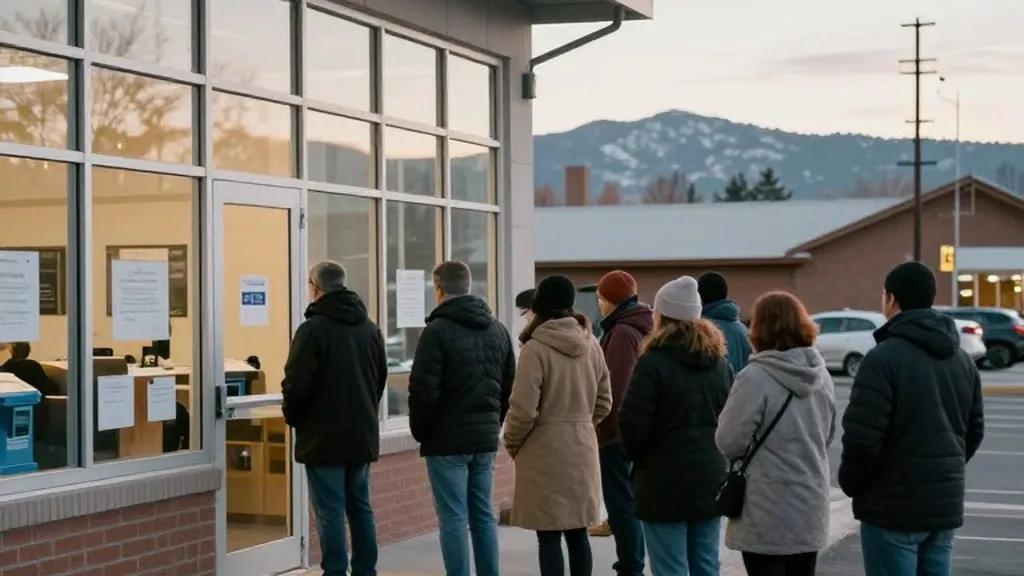
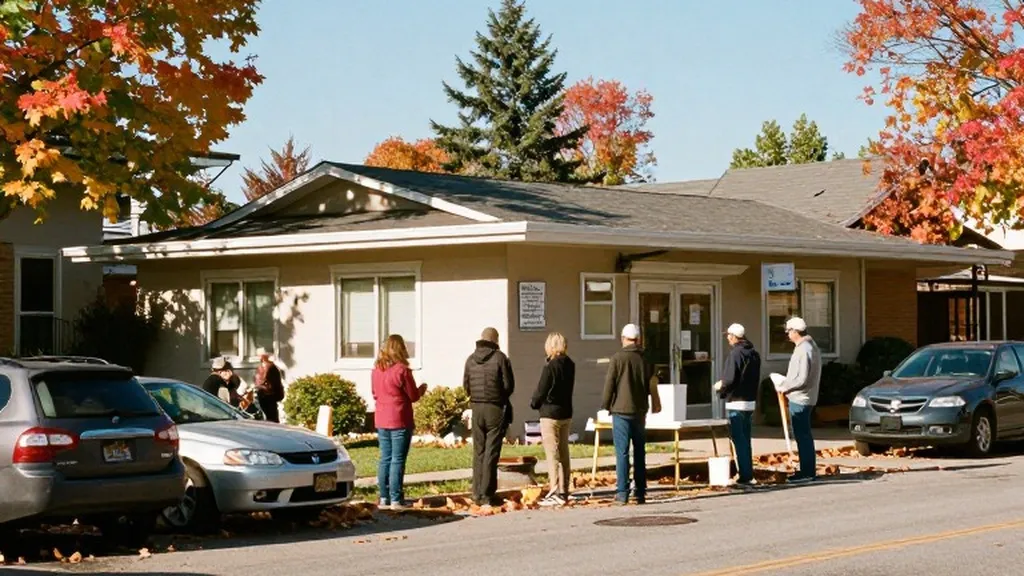
In Denver, Aurora, Lakewood, Thornton, Arvada, and Westminster, voters are heading to the polls today to decide the outcome of the 2026 midterm elections. According to Ballotpedia, Colorado polls are open from 7 a.m. to 7 p.m., with the state relying largely on mail-in ballots. Residents are choosing between candidates for the U.S. Senate, where incumbent John Hickenlooper is running, and for the open governor’s seat. All U.S. House seats in the state are also on the ballot, alongside state and local offices.
The national stage for this election is defined by unprecedented financial scale. The Associated Press reports that the 2026 elections are likely to be the most expensive in history. This surge in spending is driven by a competitive battle for control of Congress, which will determine the legislative landscape for the final two years of President Donald Trump’s second term. The high costs reflect the intense scrutiny placed on every district and state in this halfway point of the presidential term.
Financial data reveals a distinct divergence in how the two parties are deploying their resources. Republican committees have outraised and outspent their Democratic counterparts at the committee level. This advantage was bolstered by contributions from Trump-affiliated groups and Elon Musk. However, the picture changes at the candidate level, where Democrats managed to outraise their Republican opponents. This split suggests a strategic difference in where money is being concentrated, with party committees focusing on broader messaging while individual candidates secure specific funding streams.
The allocation of Republican advertising dollars highlights a specific strategic focus. An analysis by the Associated Press of AdImpact data shows that 88.1 percent of Republican general election TV ad spending went to states and districts that Donald Trump won in 2024. Within that category, more than $850 million was spent in areas where the president won by ten points or more. This heavy concentration indicates an effort to solidify support in strongholds, even as the national race remains closely contested in other regions.
Colorado voters are deciding on several key statewide issues today. In addition to the Senate and Governor races, the ballot includes multiple constitutional amendments and propositions. Amendment 81 addresses immigration and law enforcement, while Amendment 82 concerns the right to purchase natural gas. Amendment 83 establishes a right to hunt and fish, and Amendment 84 deals with absentee voting and voter ID requirements. Voters will also decide on Amendment 87, which proposes a graduated income tax, and various criminal sentencing measures.
The mood among voters across the country is described by the Associated Press as one of struggle with high prices and anger over an unpopular war with Iran. Polling from AP-NORC indicates that 35 percent of U.S. adults approve of President Trump’s job performance, while only 25 percent approve of his handling of the economy. Approximately seven in ten Americans say the country is heading in the wrong direction, with most blaming the president for rising costs. This sentiment is a central driver for voters in Colorado and other states as they cast their ballots.
Republicans are bracing for a potential loss in the House while fighting to hold the Senate. The Associated Press notes that one or two seats could tip the balance in either chamber. Democrats, meanwhile, are described as cautiously optimistic. In the U.S. House, Democrats need a net gain of three districts to achieve a majority, whereas Republicans can lose no more than two seats. In the Senate, Democrats require a net gain of four seats to take control, while Republicans can afford to lose only two. These tight margins make the financial efficiency of each campaign a critical factor.
The role of Elon Musk in the election finances has been significant. His support for Republican committees has contributed to their overall spending advantage. This influx of funds has allowed for a higher volume of advertising in key states. The presence of such a high-profile figure in the financial backing of the election has added a layer of complexity to the traditional party fundraising models. Voters in the Denver metro area are part of this national trend where personal wealth and political influence are intersecting at an unprecedented level.
As polls close at 7 p.m. in Colorado, the focus shifts to the administration of the vote. A federal judge temporarily barred the Trump administration from implementing a plan to prevent noncitizen voting, a move that critics say could disenfranchise eligible voters. The U.S. Postal Service has added hours and staff to ensure mail ballots are counted on time. In Colorado, where mail voting is predominant, these logistical steps are crucial for a smooth transition of power in the state’s executive and legislative branches.
The outcome of today’s election will have immediate implications for the federal government. If Democrats win even one chamber, investigations and possible impeachment proceedings are likely to begin. House Democratic Leader Hakeem Jeffries has outlined a 100-day agenda focused on the cost of living and oversight. A strong Democratic performance would also boost potential 2028 presidential candidates, including Gavin Newsom, JB Pritzker, and Pete Buttigieg. Conversely, a Republican hold on the Senate would protect Vice President JD Vance’s political path.
The election also serves as a test for new congressional maps in six states, including California, Florida, Missouri, North Carolina, Tennessee, and Texas. Ohio is also using a new map. These redistricting efforts were part of a strategy to beat the traditional midterm pattern where a president’s party loses seats. However, the high cost of campaigning suggests that these structural advantages may not be enough to guarantee victory. Voters in Denver and across Colorado are making their choices in this context of high stakes and high spending.