Denver voters weigh 10 key Senate races in pivotal midterm
From Alaska to Maine, voters decide which party controls the Senate while Colorado polls close at 7 p.m. local time.
By Neha Kapoor ·
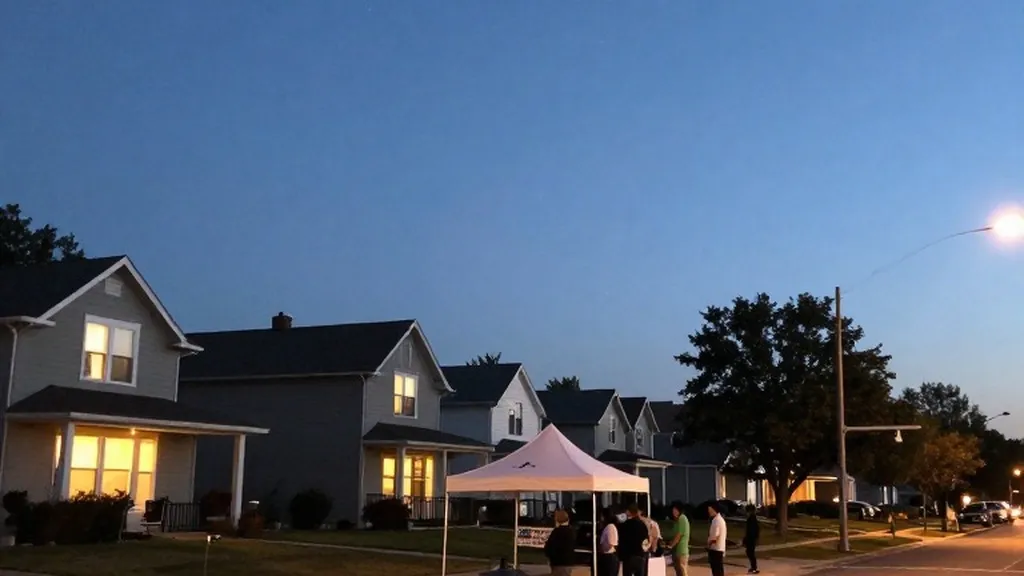
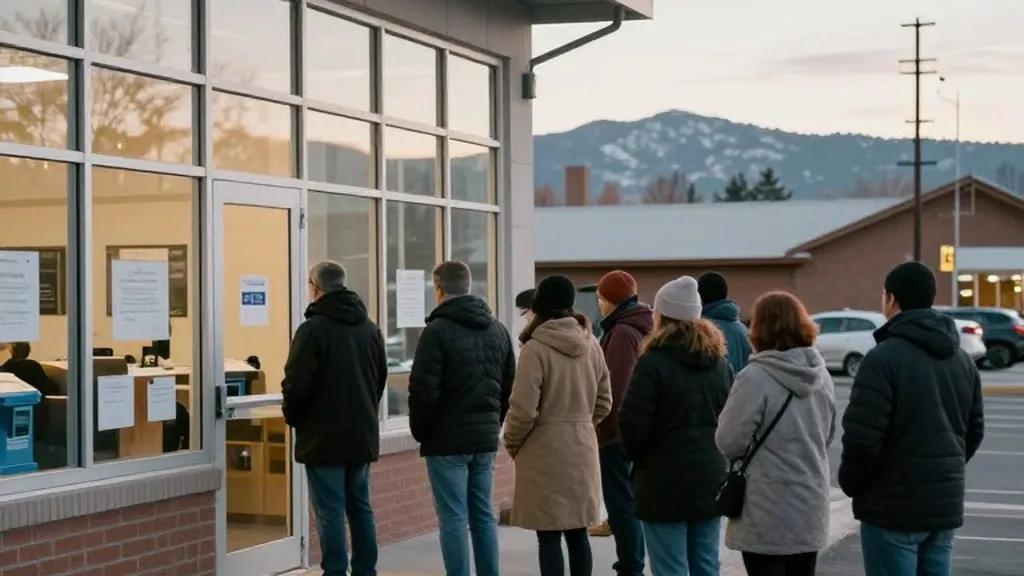
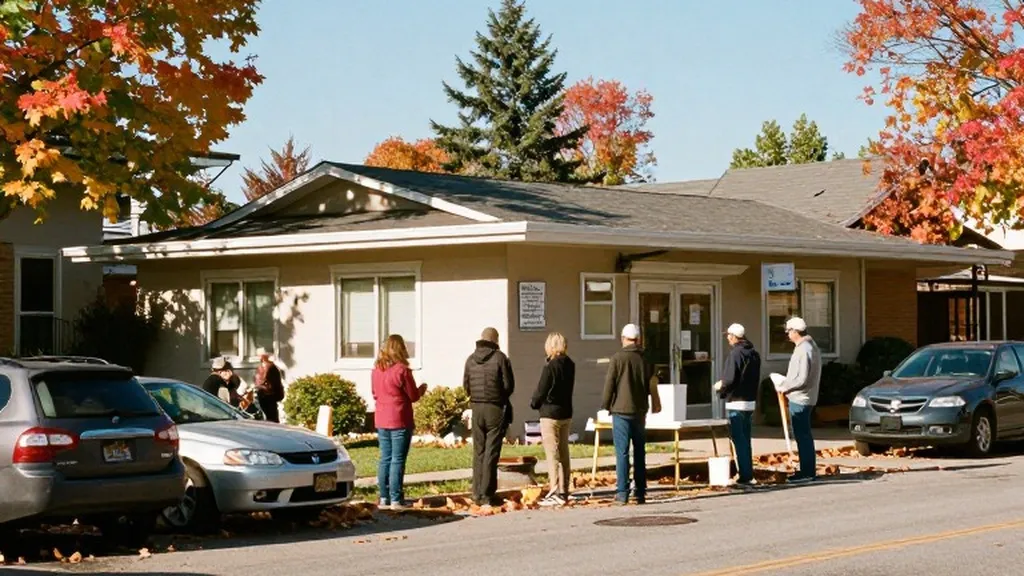
Denver, Aurora, Lakewood, Thornton, Arvada, and Westminster voters are heading to the polls or counting mail ballots on Tuesday, November 3, 2026. In Colorado, polls are open from 7 a.m. to 7 p.m. local time, though the state conducts its elections largely by mail. According to Ballotpedia, the ballot includes a race for U.S. Senate featuring incumbent John Hickenlooper, an open governor's seat, and every U.S. House seat in the state. Voters also face ballot measures on immigration, fossil fuels, and voting procedures. While local choices define the next two years for the state, the national outcome will determine which party controls Congress during the final two years of President Donald Trump's second term.
The Associated Press describes this election as a referendum on the president's performance, with voters struggling with high prices. AP-NORC polling indicates that 35% of U.S. adults approve of Trump's job performance, while about 7 in 10 say the country is heading in the wrong direction. More than 57 million people had already voted as of Monday, surpassing early vote totals from four years ago in many closely watched states. Republicans are bracing to lose the House but fighting to hold the Senate, where Democrats need a net gain of four seats to take control. Republicans can lose only two of the 35 Senate seats up for election to maintain their 53-seat majority.
Ten specific Senate matchups are drawing national attention as potential tipping points. In North Carolina, Democratic former Governor Roy Cooper faces former Republican National Committee chair Michael Whatley in the open seat left by retiring Senator Thom Tillis. In Georgia, Senator Jon Ossoff is running against Republican Representative Mike Collins. The race in Ohio pits Democratic former Senator Sherrod Brown against Republican Senator Jon Husted. In Michigan, Republican former Representative Mike Rogers faces Democrat Abdul El-Sayed, with recent endorsements shifting the dynamics of the contest.
Texas presents a high-stakes battle between Republican Attorney General Ken Paxton and Democrat James Talarico. Paxton secured the Republican nomination after receiving backing from President Trump over incumbent Senator John Cornyn. In Maine, Senator Susan Collins is defending her seat against Democratic former State Senate President Troy Jackson. The Associated Press notes that economic strain and tariffs have made the state competitive, with all major ratings groups viewing the race as a toss-up. New Hampshire voters are choosing between Democratic Representative Chris Pappas and former Republican Senator John E. Sununu for the seat vacated by retiring Senator Jeanne Shaheen.
Minnesota voters face a four-way race for the seat of retiring Senator Tina Smith, including Democratic Lieutenant Governor Peggy Flanagan and Republican former sports broadcaster Michele Tafoya. In Kansas, a traditionally reliable Republican state has become central to the fight for Senate control, featuring a competitive field. Alaska is also a focal point, with the Trump administration filing a lawsuit related to the certification of the Senate result. The state's race is rated as a toss-up to lean Democratic by some analysts. These races are critical because they could determine if the Senate majority flips or remains in Republican hands.
The Associated Press reports that many Republican candidates have kept some distance from the president, who held dozens of rallies in the final days. His schedule included stops in Mississippi, South Carolina, and Texas, ending Sunday in Salina, Kansas. Trump has continued to make claims about voting fraud, leading his administration to sue in Alaska and California. A federal judge temporarily barred a plan to prevent noncitizen voting, a move critics say risks disenfranchising eligible voters. The Justice Department has also threatened to prosecute local election officials, fueling concerns about interference.
Money is playing a significant role in these contests, with the 2026 elections likely to be the most expensive in history. Republican committees outraised and outspent Democratic committees, aided by Trump-affiliated groups and Elon Musk. However, at the candidate level, Democrats outraised their opponents. Analysis of ad spending data shows that 88.1% of Republican general election TV ad spending went to states and districts Trump won in 2024. This strategy reflects the party's focus on protecting its base while Democrats aim to flip key districts in the House, where they need a net gain of three seats for a majority.
For Denver Metro Herald readers, the local context remains important as national stakes rise. Colorado's open governor's seat and the Hickenlooper Senate race are part of a broader statewide ticket that includes state executive offices and ballot measures. Amendment 84, for example, would require voters casting ballots by mail to place their signature and some form of real ID on their ballot. Amendment 87 proposes a graduated income tax. These local decisions will shape state policy while the national results determine the balance of power in Washington.
Voters in the ten highlighted Senate states are deciding more than just individual seats; they are determining the legislative agenda for the next two years. If Democrats win even one chamber, investigations and possible impeachment proceedings become likely. House Democratic Leader Hakeem Jeffries has outlined a 100-day agenda focused on the cost of living and oversight if his party takes the House. A strong Democratic performance would also boost potential 2028 candidates like Gavin Newsom and Pete Buttigieg. Conversely, a Republican hold in the Senate would provide a check on the House and maintain the party's control over the upper chamber.
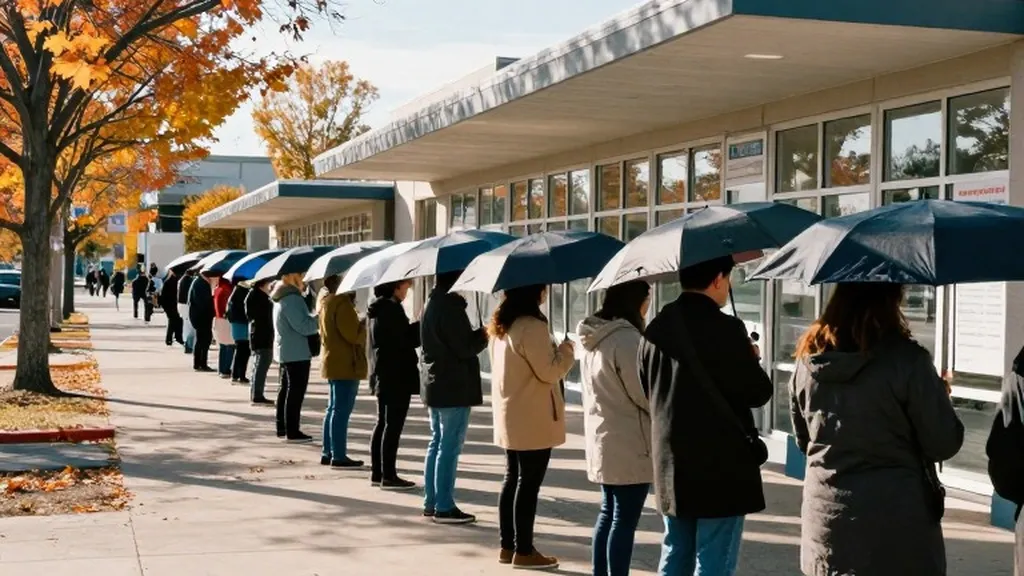
Polls in Colorado close at 7 p.m. local time on Tuesday. Anyone in line when polls close is entitled to vote. In the ten key Senate states, poll hours vary, with some states like North Carolina and Ohio closing at 7:30 p.m. local time, while others like Michigan and Minnesota close at 8 p.m. The U.S. Postal Service has added hours and staff to ensure mail ballots are counted on time. As voters cast their ballots in the ten pivotal states and across Colorado, the nation awaits a result that will define the final stretch of the Trump administration and set the stage for the 2028 cycle.