Colorado voters decide open governor seat amid tight national midterms
As polls open at 7 a.m., Denver and Aurora residents face a choice for an empty governor's chair while the state's Senate race and national battles for congressional control unfold.
By Jillian Foster ·
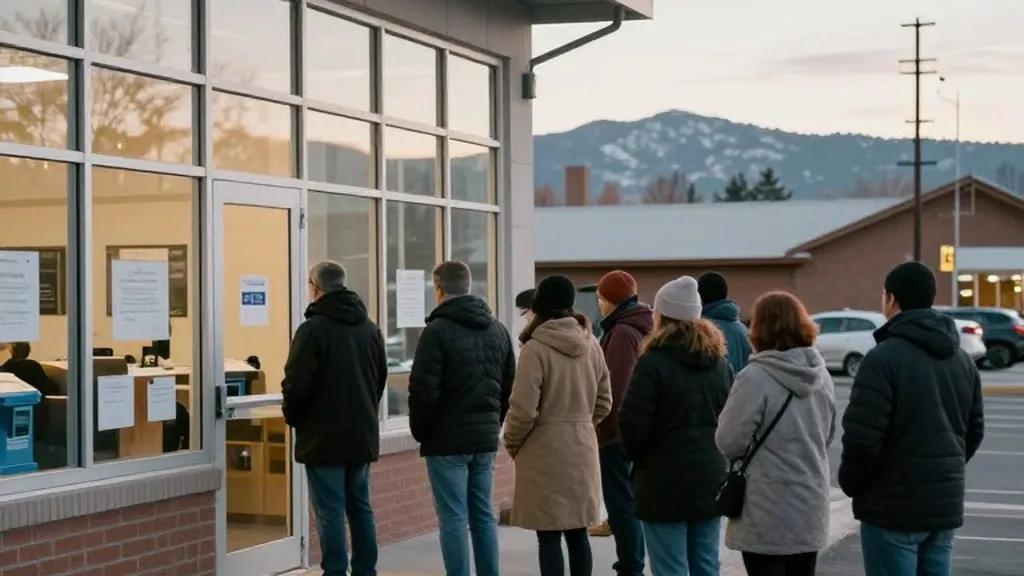
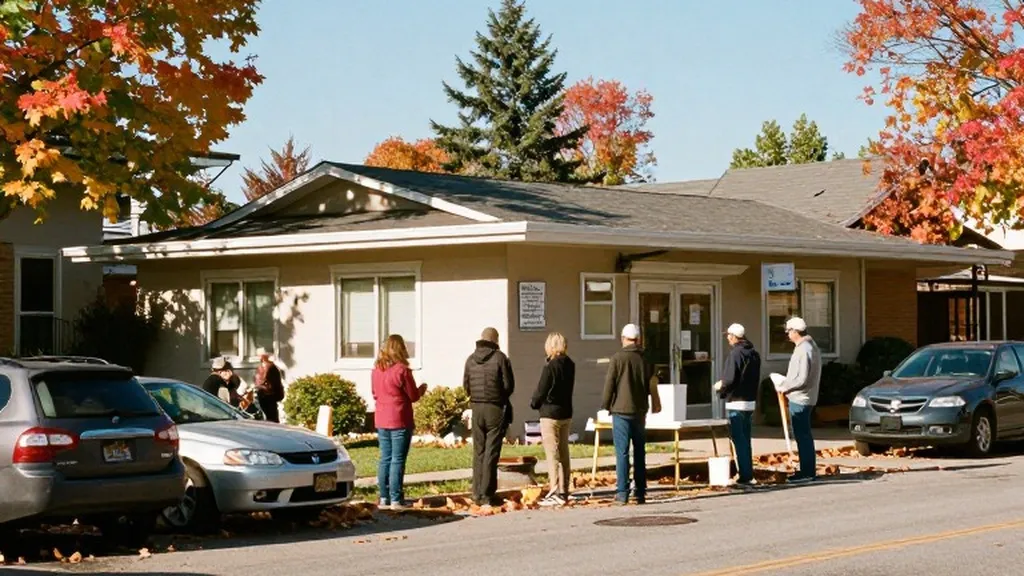
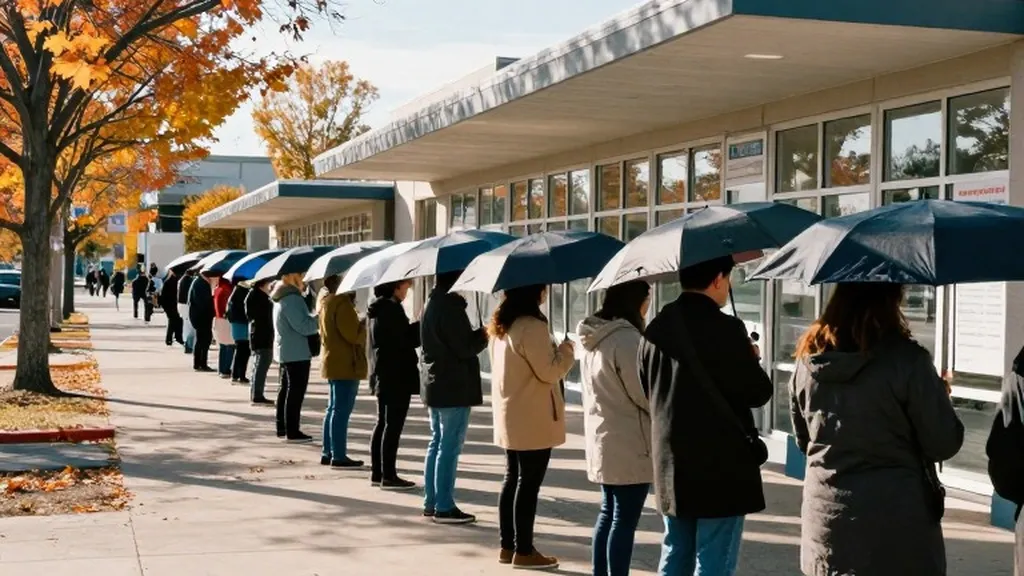
Voters across Denver, Aurora, Lakewood, Thornton, Arvada and Westminster began casting their ballots at 7 a.m. on Tuesday, November 3, 2026. The state conducts its elections largely by mail, so many residents had already sent in their ballots. Those voting in person find polling places open until 7 p.m. local time. The day marks the midpoint of President Donald Trump's second term, a moment when Americans decide who controls Congress for his final two years.
In Colorado, the governor's office is an open seat. There is no incumbent on the ballot, a situation that mirrors the broader national landscape where 19 of the 36 governor races lack a sitting official. Ballotpedia notes that Democrats, Republicans, Libertarians and Unaffiliated candidates are on the ballot for this key statewide position. This race is part of a larger national pattern where Republicans hold 26 governorships and Democrats hold 24, with each party holding 18 of the offices currently on the ballot.
Colorado also holds a U.S. Senate race where incumbent Democrat John Hickenlooper is running. All U.S. House seats in the state are also on the ballot, alongside state and local offices. The results of these races will determine the balance of power in the 119th Congress. Nationally, Democrats need a net gain of three House districts to claim a majority, while Republicans can lose no more than two seats to maintain control.
The Associated Press describes the election as a referendum on Trump's second term, with voters struggling with high prices and anger over an unpopular war with Iran. AP-NORC polling indicates that 35% of U.S. adults approve of Trump's job performance, while about seven in ten say the country is heading in the wrong direction. More than 57 million people had already voted by Monday, surpassing early vote totals from four years ago in many closely watched states.
Nationally, 35 of 100 Senate seats are up for grabs. Republicans hold 53 seats, Democrats hold 45, and two independents caucus with Democrats. Democrats need a net gain of four seats for a majority, whereas Republicans can lose only two. Eleven senators are not running again, including Joni Ernst from Iowa, Gary Peters from Michigan, Steve Daines from Montana, Jeanne Shaheen from New Hampshire and Thom Tillis from North Carolina. These open seats add to the uncertainty in several battleground states.
Governor races are particularly competitive in nine states: Alaska, Arizona, Georgia, Iowa, Kansas, Michigan, Nevada, Ohio and Wisconsin. In Georgia, Republican health care executive Rick Jackson faces Democratic former Atlanta Mayor Keisha Lance Bottoms. In Nevada, Republican Gov. Joe Lombardo challenges Democratic Attorney General Aaron Ford. In Ohio, Republican Vivek Ramaswamy runs against Democrat Amy Acton. Democrats hope to hold a majority of governorships for the first time in two decades, a goal that has eluded them since 2010.
The Associated Press reported that Republicans were bracing to lose the House and fighting to hold the Senate, with one or two seats potentially tipping either chamber. Democrats were described as cautiously optimistic. RNC Chairman Joe Gruters stated that everything depends on turnout, asserting that if they turn out their voters, they win. DCCC Chair Rep. Suzan DelBene countered that the American people are angry and want change. These sentiments reflect the divided mood among voters nationwide.
Money is playing a significant role, with the 2026 elections likely to be the most expensive in history. Republican committees outraised and outspent Democratic committees, aided by Trump-affiliated groups and Elon Musk. However, at the candidate level, Democrats outraised their opponents. AP analysis of AdImpact data shows that 88.1% of Republican general election TV ad spending went to states and districts Trump won in 2024, including more than $850 million where he won by 10 points or more.
Voter Mark Barker of Palm Beach Gardens, Florida, told the Associated Press he has been following Trump the whole time and thinks he is doing an awesome job. James Moore, 57, a librarian in Raleigh, North Carolina, said he is paying more taxes and more for healthcare and everything else. These individual stories highlight the economic concerns driving voter behavior. The U.S. Postal Service added hours, staff and special lines to ensure mail ballots are counted on time, a critical logistical step for states like Colorado that rely heavily on mail voting.
A federal judge on Monday temporarily barred the Trump administration from carrying out a plan to prevent noncitizen voting, a move critics say risks disenfranchising eligible voters. Another judge ordered the administration to stop demanding that California election officials segregate ballots cast by people on lists of suspected noncitizens. These legal developments add a layer of complexity to the election administration. Wall Street is watching for more than control of Congress, with Reuters noting that results could add to investor concerns about AI spending and debt ceiling negotiations.
If Democrats win even one chamber, investigations and possible impeachment proceedings become likely. House Democratic Leader Hakeem Jeffries would be the first Black speaker and has outlined a 100-day agenda on the cost of living and oversight. A strong Democratic night would boost potential 2028 candidates Gavin Newsom, JB Pritzker and Pete Buttigieg, and could complicate Vice President JD Vance's path. Republicans tried to beat the midterm pattern with redistricting, but new districts in Florida and elsewhere may not vote as drawn. As polls close across the country, the nation waits to see who will lead the government for the next two years.