Denver voters decide House and Senate control in tight 2026 midterms
With polls open in Denver and across the state, voters are weighing high prices and national politics in a race that could shift control of Congress.
By Diego Mendoza ·
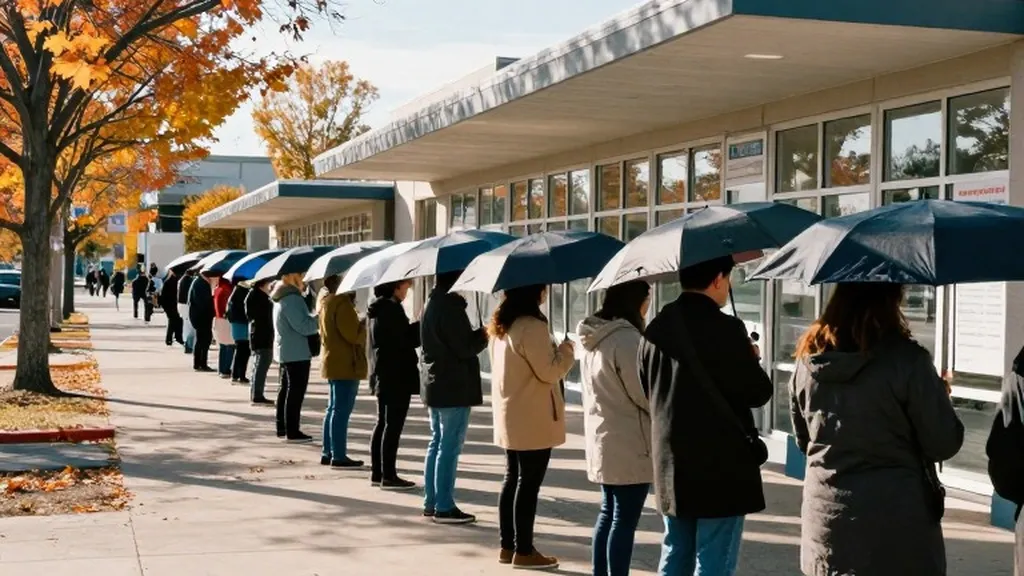
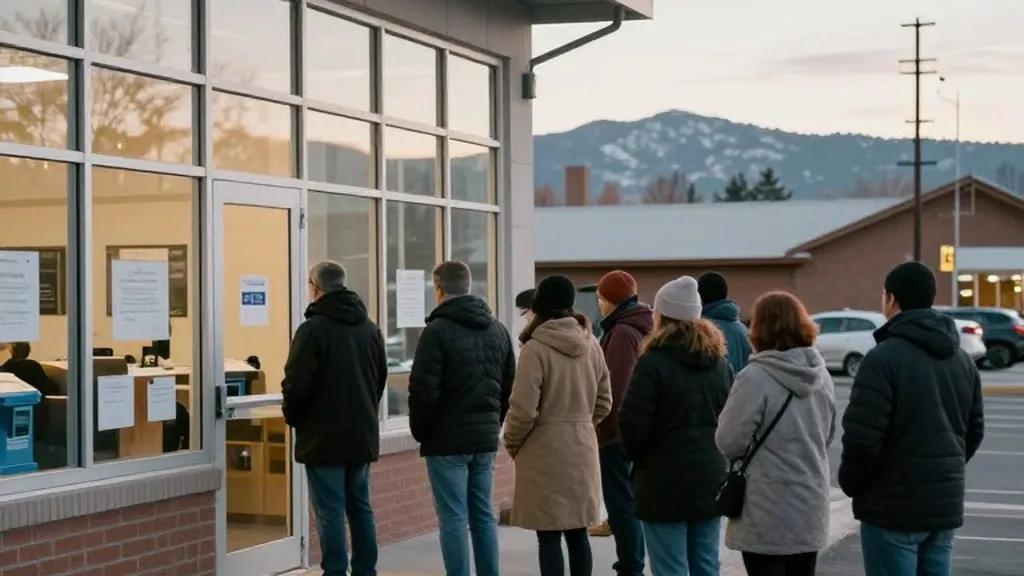
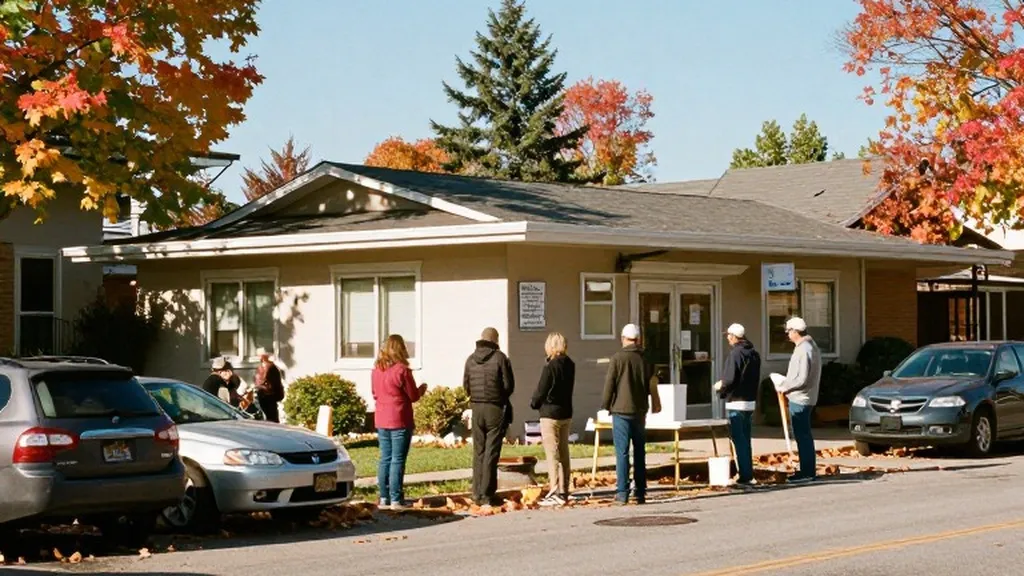
In Denver, Aurora, Lakewood, Thornton, Arvada, and Westminster, polling places are open from 7 a.m. to 7 p.m. local time. According to Ballotpedia, Colorado conducts its elections largely by mail, but in-person voting is available for those who prefer it. Voters in the county can find their specific polling location at vote.gov or through the state election office. Anyone already in line when the polls close at 7 p.m. is entitled to cast a ballot, a rule that may extend the wait times in busy urban precincts.
Statewide, Coloradans are deciding who will represent them in the U.S. Senate. Incumbent Democratic Sen. John Hickenlooper is on the ballot, running for re-election. The state also holds an open governor’s race, with no incumbent seeking the office. Both the Senate and gubernatorial contests feature candidates from the Democratic, Libertarian, Republican, and Unaffiliated parties. These races are part of a broader national trend where 35 Senate seats and 36 governorships are up for grabs, as noted by Ballotpedia.
Every U.S. House seat in Colorado is on the ballot, along with state and local offices. In the state, voters are also considering several ballot measures that will shape the state constitution and laws. Amendment 81 addresses immigration and law enforcement notification, while Amendment 82 establishes a constitutional right for consumers to purchase natural gas for cooking and heating. Other measures include Amendment 83, which establishes a right to hunt and fish, and Amendment 84, which requires voters using mail ballots to include a real ID. Amendment 87 proposes a graduated income tax, a significant shift in state fiscal policy.
Nationally, the stakes are high as all 435 U.S. House seats are contested. Republicans currently hold 218 seats, while Democrats hold 214, with one independent and vacancies remaining. To secure a majority in the House, Democrats need a net gain of three districts, whereas Republicans can lose no more than two. Ballotpedia identifies 46 battleground districts, with 25 held by Democrats and 21 by Republicans. The outcome will determine who controls the House for the final two years of President Donald Trump’s second term.
The Associated Press describes this election as a referendum on the president’s performance, with voters struggling with high prices and an unpopular war with Iran. AP-NORC polling shows that 35% of U.S. adults approve of Trump’s job performance, while only 25% approve of his handling of the economy. About seven in 10 voters say the country is heading in the wrong direction. More than 57 million people had already voted as of Monday, surpassing the early vote totals from four years ago in many closely watched states.
In the Senate, 35 seats are up for election, including 33 regular elections and two special elections. Republicans hold 53 seats, Democrats 45, plus two independents who caucus with Democrats. Democrats need a net gain of four seats to take control of the Senate. Key races include Georgia, where Sen. Jon Ossoff faces Rep. Mike Collins, and Ohio, where former Sen. Sherrod Brown challenges Sen. Jon Husted. In Michigan, Republican former Rep. Mike Rogers is running against Democrat Abdul El-Sayed, a race that has become competitive due to economic strains and tariff concerns.
Governor races are also critical, with Democrats defending five governorships in states that Trump won in 2024, including Arizona, Kansas, Michigan, Pennsylvania, and Wisconsin. Republicans are defending two seats in states that Harris won, New Hampshire and Vermont. In Georgia, Republican Rick Jackson is running against former Atlanta Mayor Keisha Lance Bottoms. In Ohio, Vivek Ramaswamy is facing Amy Acton, a race that has drawn national attention due to campaign advertisements and messaging. The Associated Press notes that Democrats are hoping to hold a majority of governorships for the first time in two decades.
New congressional maps in seven states, including Colorado’s neighbors like California, Florida, and Texas, are adding complexity to the House races. Ohio is also using a new map. These redistricting efforts have been a focus for Republicans, who attempted to beat the typical midterm pattern of losing seats. However, the Associated Press notes that new districts in Florida and elsewhere may not vote as originally drawn, adding uncertainty to the final tallies. The interplay between these new maps and voter sentiment will be a key factor in the House outcome.
The U.S. Postal Service has added hours, staff, and special lines to ensure mail ballots are counted on time, a crucial step given the high volume of absentee voting in states like Colorado. A federal judge temporarily barred the Trump administration from carrying out a plan to prevent noncitizen voting, a move that critics say risks disenfranchising eligible voters. The administration also faced a court order to stop demanding that California election officials segregate ballots cast by people on lists of suspected noncitizens. These legal battles have added tension to an already high-stakes election day.
Money is playing a significant role in this election, with the 2026 midterms likely to be the most expensive in history. Republican committees outraised and outspent Democratic committees, aided by Trump-affiliated groups and Elon Musk. However, at the candidate level, Democrats outraised their opponents. According to an AP analysis of AdImpact data, 88.1% of Republican general election TV ad spending went to states and districts Trump won in 2024, including more than $850 million in areas where he won by 10 points or more. This targeted spending reflects the strategy of consolidating support in key districts.