Jewish Communities Reassess Dress Codes
A New Jersey columnist argues that traditional expectations for funerals and Shabbat are fading, prompting calls for renewed respect in formal observances.
By Diego Mendoza ·
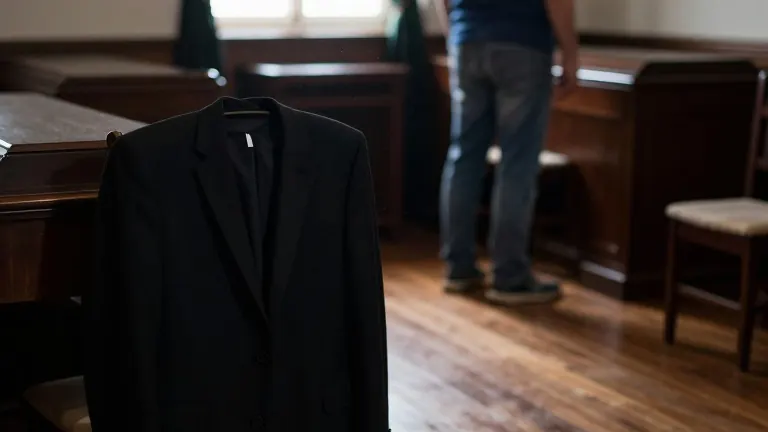
A New Jersey columnist has called for a return to traditional dress codes in Jewish communities, arguing that formal attire is disappearing from key religious and social events. The piece, published by the Jewish Link of NJ on November 5, 2026, critiques the shift toward casual clothing during funerals and Shabbat observances.
The author, who does not provide a byline in the source text, expresses surprise at seeing men at funerals wearing jeans, T-shirts, and short-sleeved shirts without ties. He questions whether this casual approach shows appropriate respect, or kavod, for the deceased. He notes that while the dead cannot perceive the attire, the living should maintain decorum.
Research into funeral home guidelines supports the author’s preference for formal wear. Many funeral homes post recommendations on their websites, advising men to wear shirts, ties, and jackets. They also suggest women avoid dressing as if they are going to a park or beach. However, the author notes that Maurice Lamm’s widely used book, “The Jewish Way in Death and Dying,” does not specifically address clothing choices.
The criticism extends to Shabbat observance. The author observes that the formal attire worn to synagogue on Shabbat morning is often replaced by extreme casual clothing in the afternoon. Children are frequently changed into baseball shirts, T-shirts, and sweatpants. He argues that Shabbat should last the full day, from Friday afternoon through Motzei Shabbat, after Havdalah.
He acknowledges the difficulty of maintaining the atmosphere of Shabbat in the afternoon once social groups disperse and synagogues quiet down. Parents often seek ways to entertain their children for the remainder of the day. The author suggests that keeping children at home and engaging with them is more appropriate than sending them outside with scooters, helmets, baseball bats, basketballs, and trampolines.
The columnist emphasizes the importance of family time on Shabbat. He argues that sending children outside to play is often an excuse for parents to avoid their responsibilities to be present with their children. He states that Shabbat is intended for the family, not for sports equipment to be used without parental engagement.
The author urges readers to rethink these shifts in behavior. He believes that attending a funeral requires a display of respect through proper dress and attention. He notes that the lack of decorum, particularly among men, and the distraction of women checking phones during services, troubles him. He calls for attendees to remember the pain of the mourners, or aveilut, for the duration of their presence.
The piece concludes with a direct appeal to parents. It suggests that playing with children on Shabbat afternoon is a way to give them the attention often missing during the week. The author insists that this time is for the family and should not be spent away from the home in casual, active play that detracts from the day's sanctity.