Voters approve $295 million annual tax for new commuter train
The 0.333% sales tax would fund rail service from Pueblo to Fort Collins, a project planned to cost $2.7 billion.
By Diego Mendoza ·
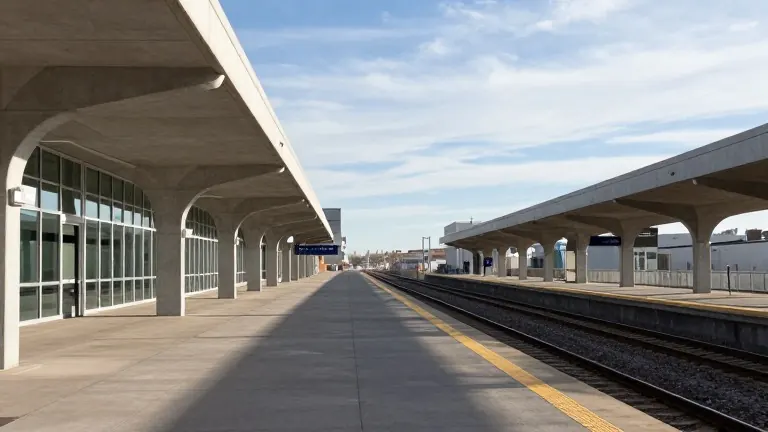
Voters in 13 Colorado counties are on track to approve a new 0.333% sales tax that will generate approximately $295 million per year to build a public commuter train. The measure, known as Ballot Issue 7A, asked around 2.4 million residents to fund the Colorado Connector system, which would run from Pueblo to Fort Collins with Denver’s Union Station as a central hub. As of 10:25 p.m. on Tuesday, November 3, the Secretary of State’s office reported 453,474 votes in favor and 368,746 against.
The proposed route includes 12 stations, with plans to add a stop in Trinidad at the New Mexico border. Amtrak would operate the service, according to proponents with the Front Range Passenger Rail District. The district noted that most of the planned route uses existing rail corridors. Planners estimate it will take seven to ten years to complete the project.
In addition to the annual tax, voters approved the sale of $580 million in bonds to help fund the construction. The stated repayment cost for these bonds is $785 million. The total predicted cost to build rail lines to Colorado Springs and Pueblo is around $2.7 billion. Officials project that construction will be finished by 2031.
Local officials have previously promised similar rail expansions that were not completed. In 2004, voters approved the FasTracks package, which included six new rail lines intended to connect Boulder and Longmont to the RTD light rail system. While light rail expanded to Golden and Westminster, it has not reached Boulder or Longmont. Earlier this year, officials acknowledged that the northern expansion would likely never be finished due to higher construction costs and outdated design plans.
The Front Range Passenger Rail District, created by the state legislature in 2021, argues that the current plan is different because it focuses on a single straight line rather than multiple fragmented systems. The district maintains that funding is available to keep operations running after construction is complete. This approach aims to reduce vehicle traffic, fuel consumption, and emissions while providing affordable transit options for residents in the Front Range.
The result of the vote remains too close to call officially, but early counts strongly favor approval. The new tax will apply to residents in the 13 counties that voted on the issue. If fully implemented, the train system would serve as a major transit link across the state for the first time. The next step involves finalizing the official count and beginning the bond issuance process to secure the initial $580 million in funding.
The state is also seeing other changes in its election results, with Democrats poised to flip at least two congressional districts. However, the commuter train measure stands out for its specific financial commitments and long construction timeline. Residents in the affected counties will see the 0.333% sales tax added to their purchases once the measure is certified. The project represents a significant financial undertaking for the state, relying on both ongoing tax revenue and borrowed funds to meet its 2031 deadline.
Source: Westword · original report published