Voters Decide on 14 Colorado Ballot Measures
Colorado residents cast ballots on November 3 on issues ranging from income tax to school sports rules.
By Jillian Foster ·
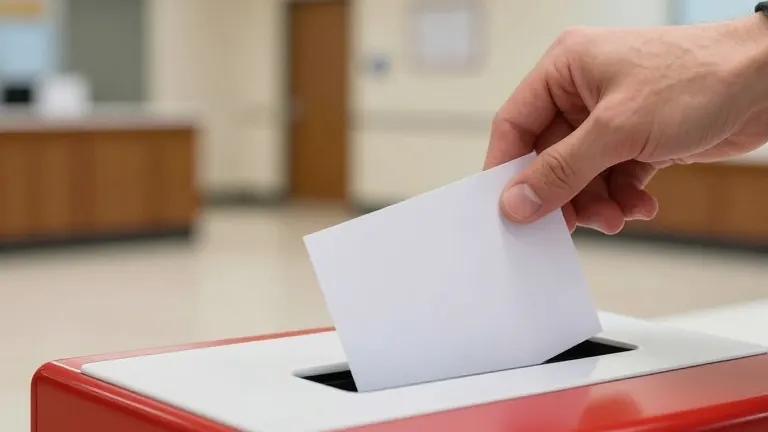
Denver, Colorado, residents cast their votes on Tuesday, November 3, in the 2026 midterm election. The election determined the state’s new leadership for the next two years. Voters also decided on 14 statewide ballot measures. These measures address the state economy and the state constitution. Some changes could affect taxpayers for years to come.
Amendment 81 proposed new reporting requirements for local law enforcement. The measure would require officials to report more information to U.S. Immigration and Customs Enforcement. This change responds to existing state laws that limit cooperation with ICE. Amendment 82 sought to write the right to buy and sell natural gas into the state constitution. Critics warned that the measure could reduce local government control over land use and energy regulation.
Amendment 83 aimed to enshrine the right to hunt and fish in the constitution. Opponents argued this would make it harder to limit specific hunting practices. Amendment 84 required voters to provide the last four digits of a government-issued ID or Social Security number with their mail ballot signature. Amendment 85 focused on clarity by requiring ballot questions to be written at an eighth-grade reading level. Amendment 86 proposed making congressional redistricting more difficult by adding public hearings and requiring Colorado Supreme Court approval outside the standard 10-year cycle.
Tax measures dominated the financial portion of the ballot. Amendment 87 would remove the constitutional requirement for a single flat income tax rate. It proposed a graduated tax system where residents earning less than $500,000 annually would pay a lower rate. Wealthier residents would face a higher rate. Proposition 136 acted as a direct response to Amendment 87. It proposed setting the state income tax rate at 4.4% for both individuals and corporations. Proposition NN addressed education funding by allocating TABOR refunds to K-12 schools. This would permanently raise the TABOR cap to fund educational programs for the next decade.
Several criminal justice measures appeared on the ballot. Proposition 132 proposed harsher penalties for the possession, use, and distribution of fentanyl and similar synthetic opioids. Proposition 133 increased penalties for child sex trafficking to life in prison without parole. It also expanded the definition of the crime to include buying sexual activity with a minor. Proposition 134 established statewide rules for school sports based on a student’s biological reproductive system. Schools would be required to designate teams and sports as male, female, or coed.
Proposition 135 sought to prohibit certain surgeries on minors that alter biological sex characteristics. The measure described the surgeries as a treatment for a minor’s perception of sex or gender. It also barred the use of state, federal, or insurance funding to pay for these procedures. Proposition 137 redirected existing sales tax revenue from sporting goods to conservation efforts. Specifically, the funds would support wildfire risk reduction, resulting in lower TABOR refund checks in some years. Measure 7A proposed increasing taxes for the Front Range Passenger Rail District. The revenue would fund the southern portion of the Colorado Connector rail line and support system-wide investment.
The election results reflect a broad range of policy choices. Voters weighed constitutional rights against regulatory controls. They balanced tax structures against education funding needs. The decisions made on November 3 will shape state law and administration for the coming years.
Source: KMGH-TV · original report published