Westchester Voting Machines Fail
A software update glitch caused scanners to reject ballots at New York polling places.
By Martin Reynolds ·
Voting machines in Westchester County, New York, began rejecting ballots at 6 a.m. Tuesday due to a programming error. The glitch stemmed from a software update deployed after initial testing of the Election Day equipment. A change required for one municipality was applied to its local machines, but scanners in other parts of the county retained the original code.
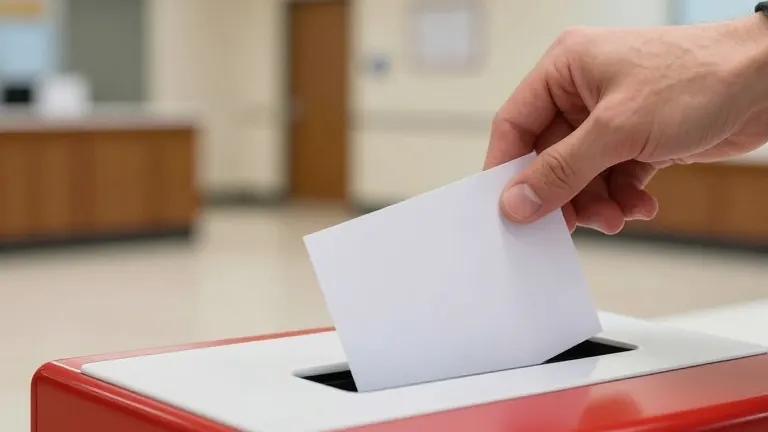
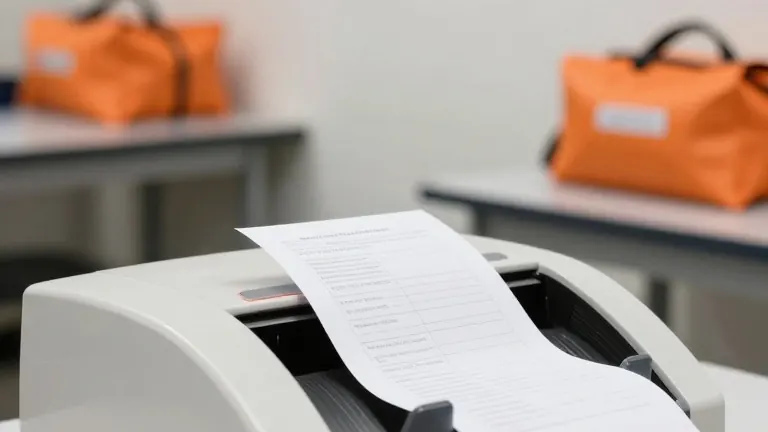
The mismatch meant that many scanners could not recognize the ballots printed for Election Day. County Executive Ken Jenkins identified the issue as a ballot printing and scanning problem. Voters were instructed to remain in line and complete paper ballots. Staff placed these completed ballots into orange emergency ballot bags to be counted later under established procedures.
The New York State Board of Elections stated that the problem did not involve the physical thickness of the paper. A spokesperson clarified that the issue was neither a vendor fault nor a machine malfunction. Instead, the error resulted from the deployment of updated election programming. The board emphasized that the impacted scanners rejected the ballots rather than incorrectly tabulating them.
The immediate priority for officials was to restore scanning capability to at least one voting machine at every polling location. Additional machines were scheduled to come online as the day progressed. The Board of Elections confirmed that there was no overall disruption to the voting process. All valid votes collected via the emergency procedure would be counted.
Statewide, polls opened at 6 a.m. Tuesday in both New York and New Jersey. In New York, voting would continue until 9 p.m. In New Jersey, polls closed earlier at 8 p.m. The midterms included key races in the New York State Senate and House of Representatives. The balance of power in both chambers was on the line for these contests.
The governor's race in New York pitted incumbent Kathy Hochul against Republican challenger Bruce Blakeman. Most polls heading into the election showed Hochul holding a lead over Blakeman. A Democratic governor has occupied the Executive Mansion in Albany for nearly two decades. Blakeman was seeking to change that long-standing trend.
Other races were being decided in New York as well. Incumbent Republican Mike Lawler faced Democratic challenger Cait Conley. Voters in New Jersey were also casting ballots in Senate and House races. Early voting numbers suggested a potential edge for Democrats in New Jersey, though Republicans stated it was too early to count them out.
New York and New Jersey voters generally did not need to present identification at the polls. First-time voters who did not provide ID during registration might be asked for proof of address. Those voters were advised to bring an ID with their current address along with other documentation. The states allowed voters to register to vote through Election Day under specific conditions.
Source: KCNC-TV · original report published